
The beauty of Buena’s campus lies in its diversity and the community of dedicated staff who support each student’s unique needs. On campus, some students require a special educational routine which could not be implemented without the assistance from the dedicated para-educators who help students learn social skills, independence and life skills beyond academics. An essential aspect of the special education program is the integration of its students with neurotypical people, yet the stories of special education students and their para-educators are often overlooked.
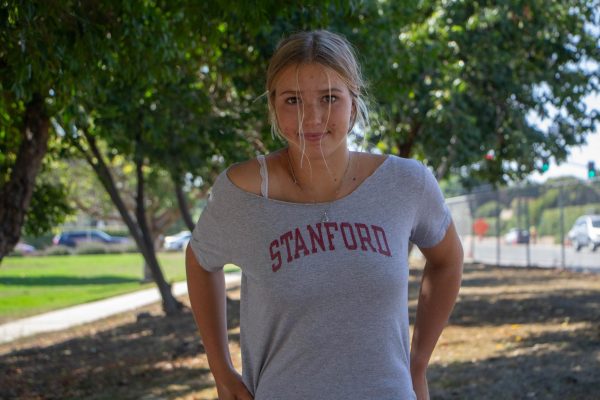
Buena follows the Individuals with Disabilities Education Act (IDEA), where students with disabilities are guaranteed to have an inclusive and productive high school experience. Most students receive accommodations through Individual Education Plans (IEP). Para-educators Mathew Crotts and Itzel Montano brought us into their daily lives working one-on-one with individual students, developing a unique bond that parallels a parental role.
“I love what I do… I get to be here for these kids, and they really appreciate us,” Montano said.
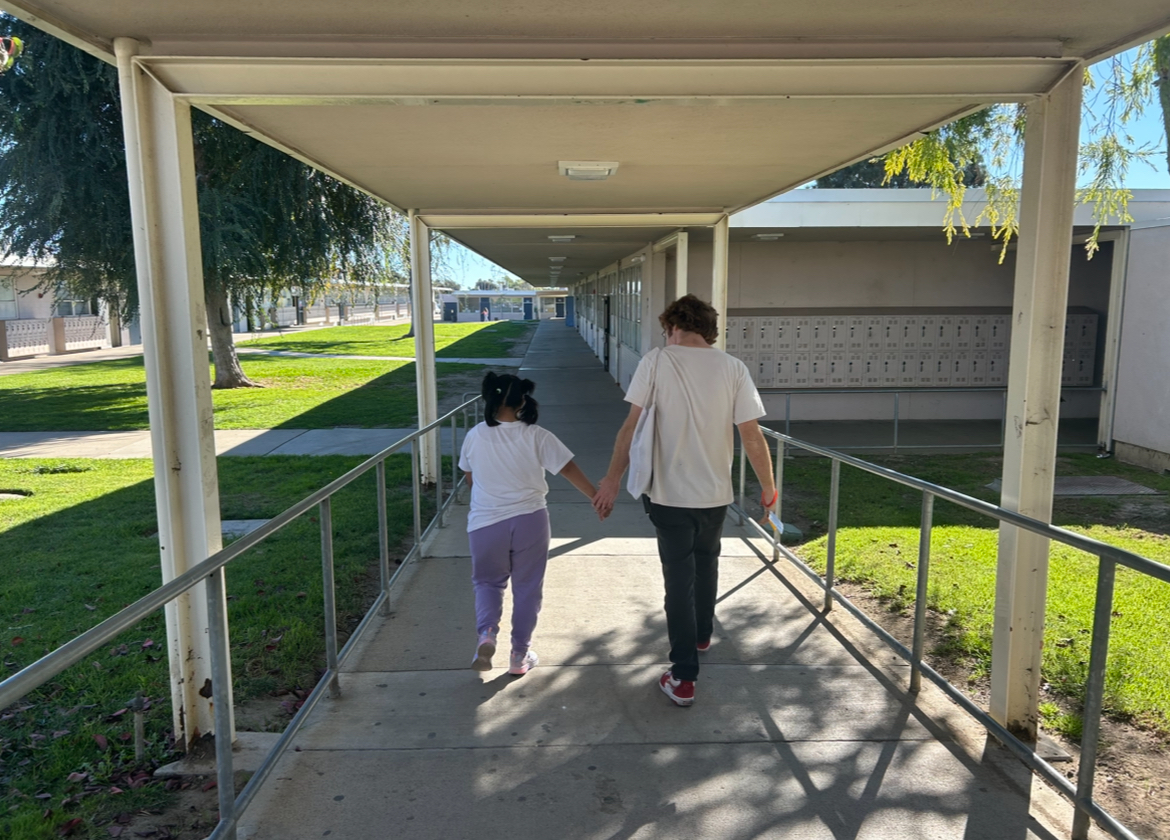
Montano and Extensive Student Needs (ESN) student Teagan Dixon, have worked on lessons and routines created to adapt to his abilities, including regular breaks throughout the day to get active in the fitness room or in a walk around campus.
Beyond academics, para-educators “create social situations” for their students, as described by Montano, to interact with the world around them. After their academic classes, students have a class period that is dedicated to learning basic life skills such as cleaning and personal hygiene. Additionally, students are taken on field trips to grocery stores, recreational areas, and restaurants to practice their skills in the real world.
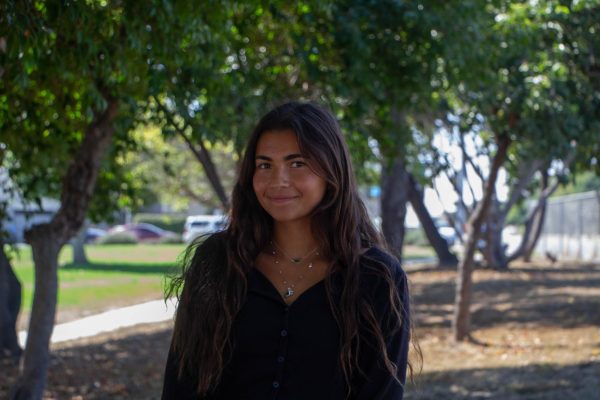
While functioning levels vary from person-to-person, the student body should never underestimate or hesitate to reach out and befriend others, especially students who are learning how to interact with the world around them. Fortunately, there is an opportunity for neurotypical students to work directly with the special education program. Senior Maya Lopez-Rojas spends her third period as a student assistant.
“[The students I work with] are really funny, so we always have a really fun time in class,” Lopez-Rojas said. “I’ve learned how to care for people more.”
However, para-educators, despite needing specialized skills, are not given specific instructions on how to do their job to their best ability. As this tends to be a “learn with experience” type of job, a lot of times they feel as if they’ve been placed into a uniquely challenging situation without the proper tools. They are prompted to navigate the complex role with mental strength and stability without truly knowing what they’re going to face.
Specifically for para-educators, there is a responsibility there to maintain a balance between professional educational leaders and flexible care-givers. For Crotts, known as Mr. Matt by his student, Jeffrey Zermeno, the most rewarding part is seeing growth in the ”little wins” of each day.
“When you’ve been working with a student for a long time, [there are days when] you finally see the light bulb come on and they understand how to do it, [and] it’s so exciting,” Crotts said.
From Zermeno’s perspective, the Buena experience has been “a good school to come to” because he “[feels] like [he] can do his best while doing [his] work” with help from Crotts.
Not only do special education students agree Buena is a positive space to learn in, but Assistant Principal Tiffany Dyer highlights the unique sense of inclusivity that is highlighted around campus.
“I love the sense of community at our campus. I think it’s good for everybody to have full exposure to the whole spectrum of people that exist in our community.”
Each day presents new challenges, but also successes, with students making rapid progressive growth. Support from administrators like Dyer promotes the well-being and ambition of all students on campus, especially the special education students.
“We want our students to function as best as possible in that environment, potentially have a job, and be able to have conversations,” Dyer said. “We all have differences, but we are all a part of the same community. We can all support each other and still work together.”
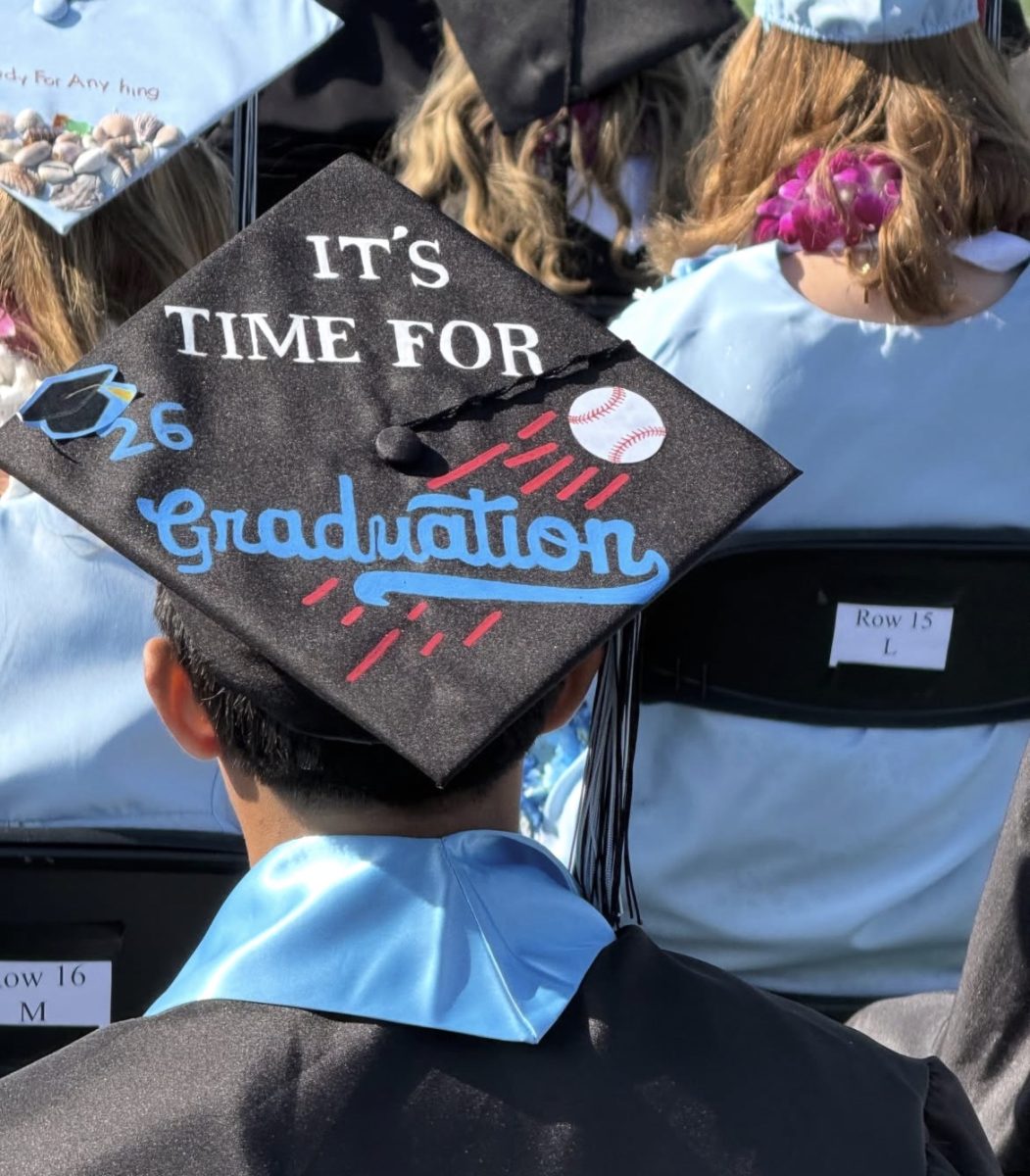
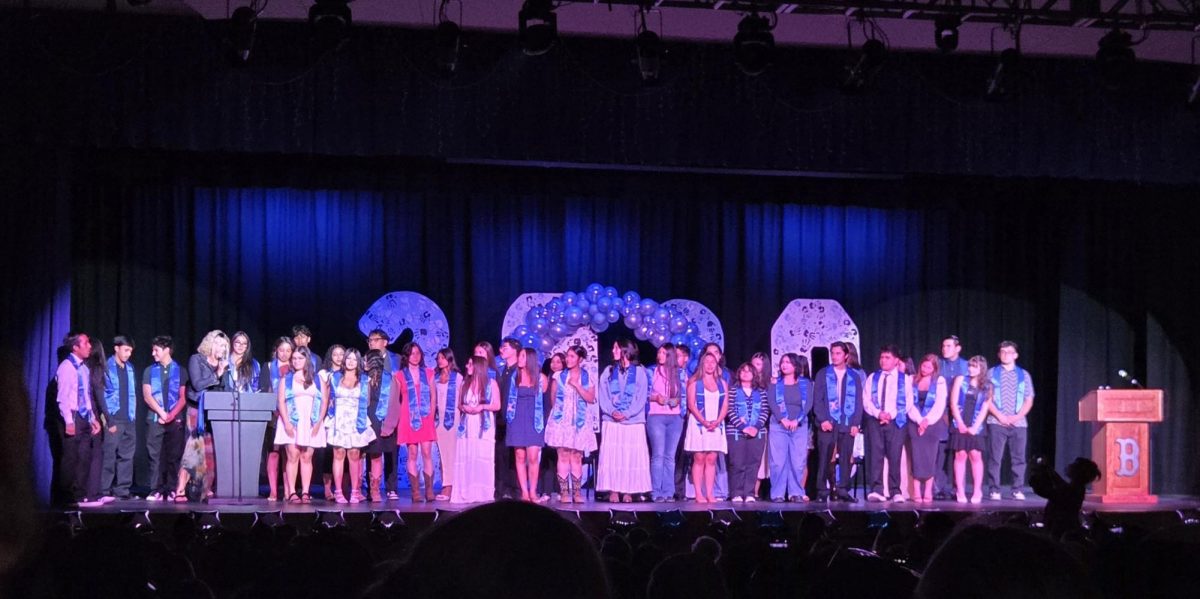
With graduation approaching, the special education department is particularly excited for its seniors to partake in the ceremony. This has presented a few challenges, as the graduation attire and mass amount of people can be overstimulating. For Dixon, the cap has to go. However, Montano and other staff are actively preparing Dixon for the occasion, already anticipating how emotional it will be so see him graduate with all the work that has gone into each day here at Buena. Montano appeared to be filled with bitter-sweet emotion just thinking about it.
“[My student] has grown to be a son to me and we’ve built a really good relationship together,” Montano said. “I’m so proud of him.”
As time passes, disabilities can be better understood and adapted to, providing new opportunities for all students. Every graduate has had a different story leading them to that stage. However, for that moment while everyone is sitting in their cap and gowns, waiting for their names to be called, they are all one community sharing that moment as one and the same.