









































Vintage fashion comebacks in teen and young adult clothing are not just trends, they reflect on the overall progression of society as a whole. Fashion cycles of popularity have developed immensely nowadays, with many older fashions coming back into style, many of which are retro inspired polka dots, stripes and florals paired with vibrant hues. I find that while many of the trends are beautiful, the outcomes may not always be ethical.
According to a study conducted by Northwestern University, there is typically a 20-year cycle for the comeback of fashion trends; however the online promotion of micro-trends and over consumerism has caused a resurgence of even older trends.
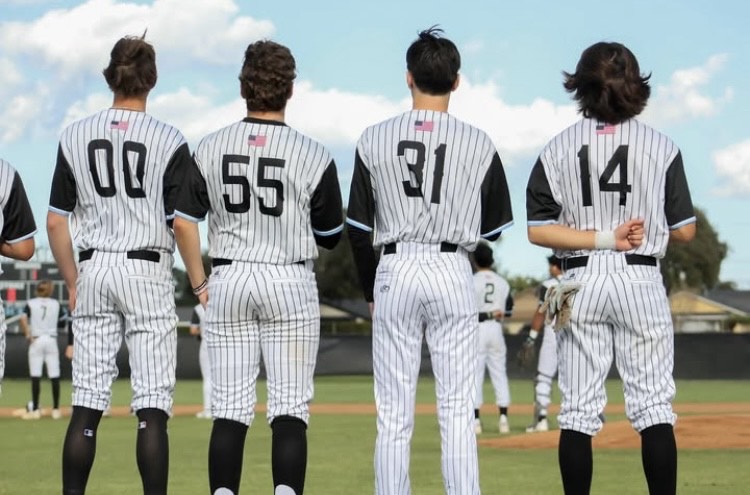
Some of the main patterns that have been prevalent are polka dots and stripes paired with vintage inspired color palettes. In historical aspects, polka dots reflected playfulness and femininity, while stripes reflected boldness and clean silhouettes. Gaining rapid popularity between the 1920’s to 1950’s, they have remained popular amongst contemporary times. From manicure designs to gowns, everything seems to be covered in polka dots and stripes.
In addition to polka dots and stripes, small print florals have become extremely popular on baby tees, camisoles, hoodies, and dresses. The women’s magazine Marie Claire says that floral patterns were primarily popular in moments between the late 1920’s to the 1980’s in an array of styles, from bold designs in the Flapper era, to bright flowers in the Flower Power era and finally to prairie style prints. The variety of designs evolved between the different eras, which I find interesting, as current day fashions focus on a variety of floral prints in teen fashion.
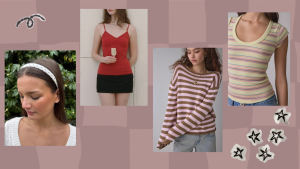
Alongside these two patterns, in demand stores such as Brandy Melville depict retro colors such as navy, white and red paired together for a retro look. Pastels such as pink, yellow, and brown are also frequently used alongside each other for a slightly different mood.
But despite the widely appreciated comebacks, there are several unethical effects as a result of modern practices. The popularity of micro-trends, over consumerism and progress in clothing production allows for large scale companies to fill up their stores quickly with the all new trending styles.
And like with every other trend, popular companies amongst teens such as Hollister, Shein and Urban Outfitters mass produce and promote their products, encouraging teens and young adults to stock up their wardrobes with all new clothing items.
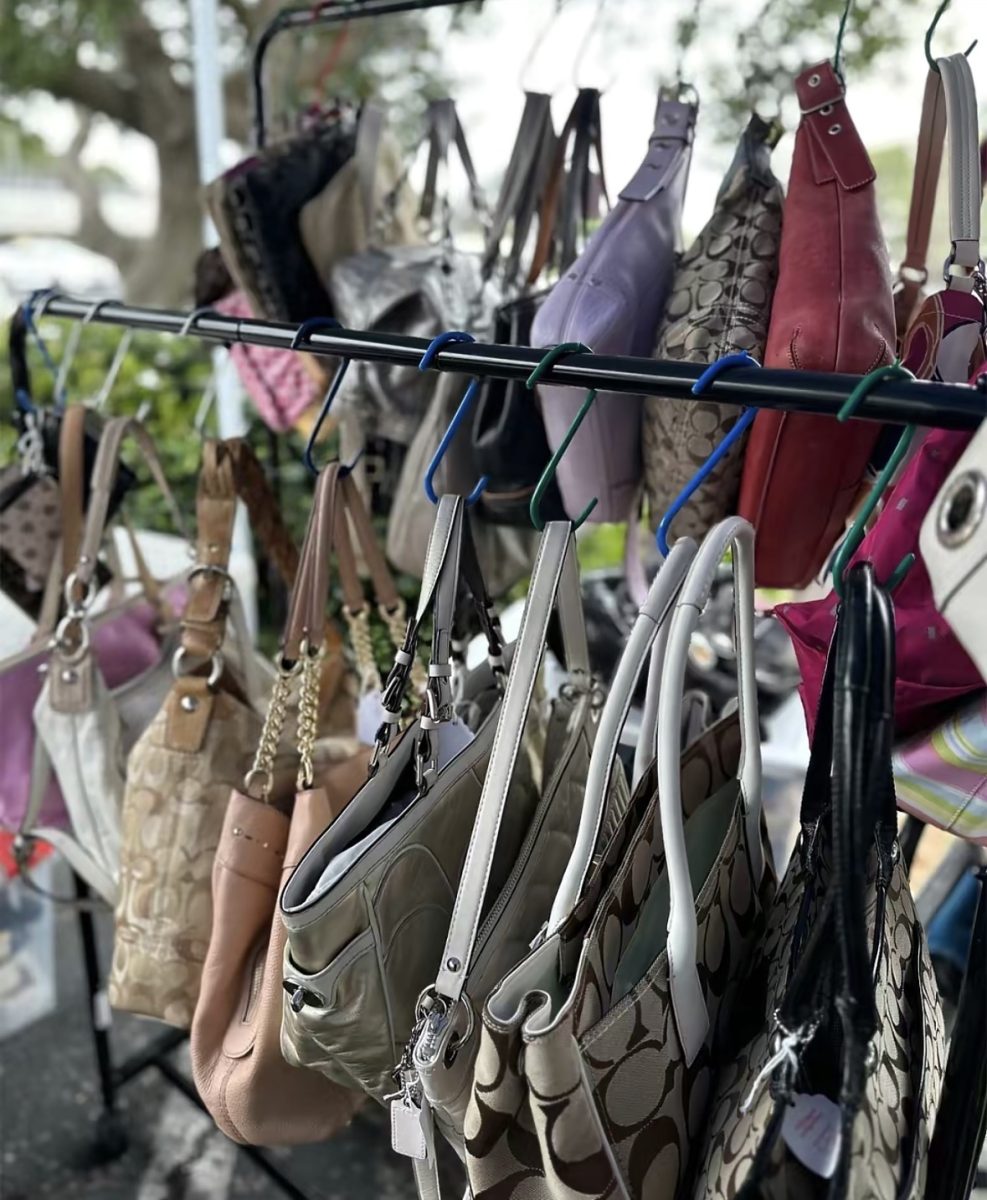
I think that while this kind of fashion is a great way to express yourself with the numerous patterns and colors that have had a comeback, one must weigh the unethical consequences on the environment. The mass production of these patterns encourages buyers to participate in ongoing trends, which means fast fashion ends up in garbage bins and landfills once it is deemed unfashionable or unusable. Additionally, a report by Earth.Org found that the fast fashion industry contributes to 92 million tons of the textile waste.
As stated before, the mass production of these trendy clothes alongside over consumerism normalizes the unethical manufacturing process for fast fashion companies. Many of these companies run on large factories, cheap materials and employees with unfair wages and extended labor. The E-commerce platform Uniform Market uncovered that employers often underpay their workers, with some wages at $1.58 per hour, and the University of George Washington established that less than 2% of the 75 million fast fashion employees worldwide barely make a living wage.
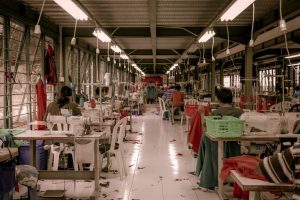
The consumption of their goods only further enables companies to keep selling their products for outrageous prices, and many could feel the pressure to participate in fashion comebacks. This may result in them resorting to fast fashion for an affordable option. And the mass resurgence of certain styles may result in them reducing into just trends that eventually lose traction over time. The significance is that they end up losing some cultural or historical significance the garments and patterns may have had, since so many people decide to follow trends for the sake of not being left out.
Therefore, while these trends may be exciting to take part in, there are definitely environmental and ethical consequences. But if consumers participate responsibly this is a great opportunity for people to experiment with other styles of clothing.