
























































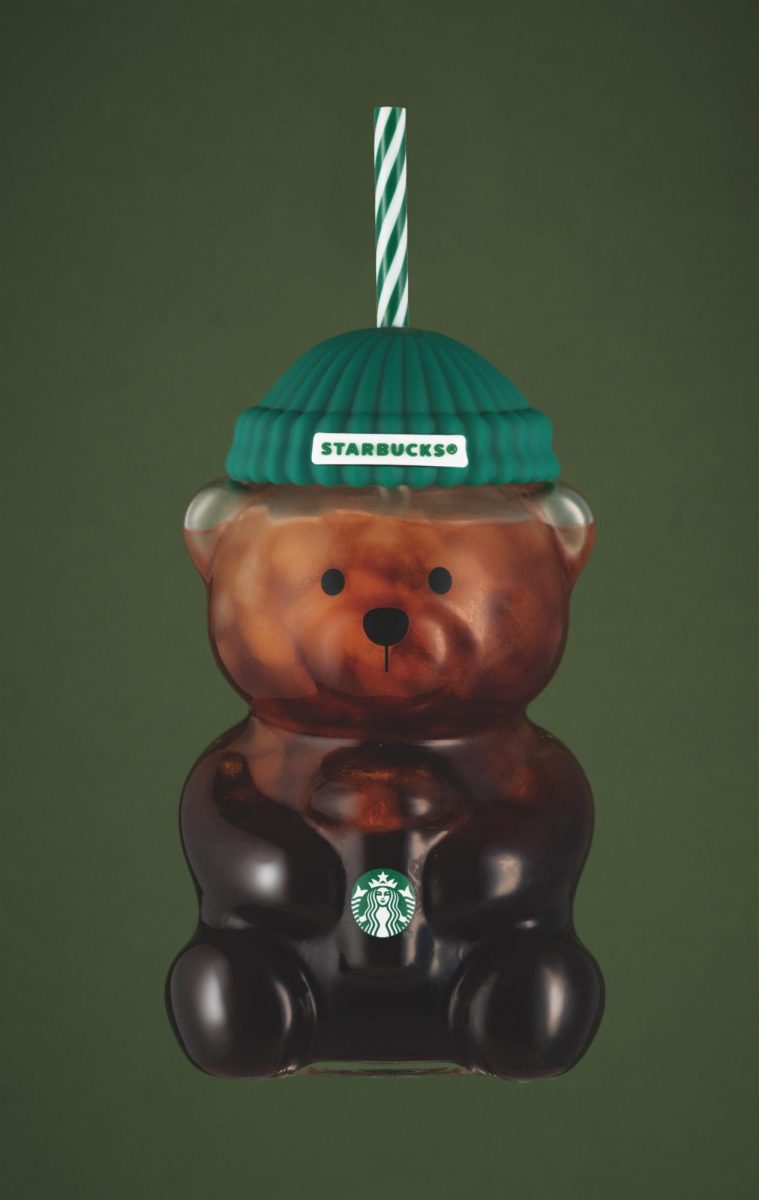
Nov. 6, 2025, Starbuck’s “Red Cup Day” took place, unleashing crowds of customers camping out, shoving and fighting for this year’s holiday cup collection. The star of the show, a bear-shaped 20 oz tumbler, was hunted by hundreds across the country – yet another show of over-consumerism in the U.S.
Thinking back to the Stanley cup craze, this is no new surge in materialistic obsession. Starbucks workers braced themselves as the largest coffee chain in the world produced few of the limited edition “Bearista cups”, because they knew eager customers would be lining buildings and setting up tents.
In a statement to ABC News, a Starbucks spokesperson apologized for not being prepared ahead of time for the flurry of customers, and for disappointing those who waited through the night for the coffee shops to open.
“The excitement for our merchandise exceeded even our biggest expectations and despite shipping more Bearista cups to coffeehouses than almost any other merchandise item this holiday season, the Bearista cup and some other items sold out fast,” the spokesperson said.
How have these behaviors, all for a cup, become so normalized? I believe a larger portion of it has to do with social media.
Hundreds of videos flood the pages of many social media users of their favorite influencers looking for the cutest cup on the market. It spreads a damaging message, that you need this product in your life in order to live out an idolized aesthetic, when in reality you don’t. There is little value in the aesthetic lives showcased on social media because you only see what you are supposed to. In short, it’s fake.
A longer existing problem is resellers. The cup retailed for $29.95, but it is now being resold on Ebay and other platforms for over hundreds of dollars. With no real reason to buy the cup other than make money, resellers often waste time trying to scam people into drastically overpaying.
As cute as it is, you don’t need a Bearista cup to fit in or match an aesthetic. You don’t need the newest designer mascara or luxury line of pajamas. I agree that the thrill in finding a limited edition product or searching for a holiday cup is fun, and there is joy in that. However, I believe there is also something to be said about placing self-value in materialistic things.
The pattern continues as it did with Stanley’s and Hydroflasks and any trendy, limited edition item. How to break the cycle? Don’t feed into it. There is no need for grown adults to be pushing and shoving for a cup they could make out of a honey bottle in their pantry or substitute for any tumbler.