









































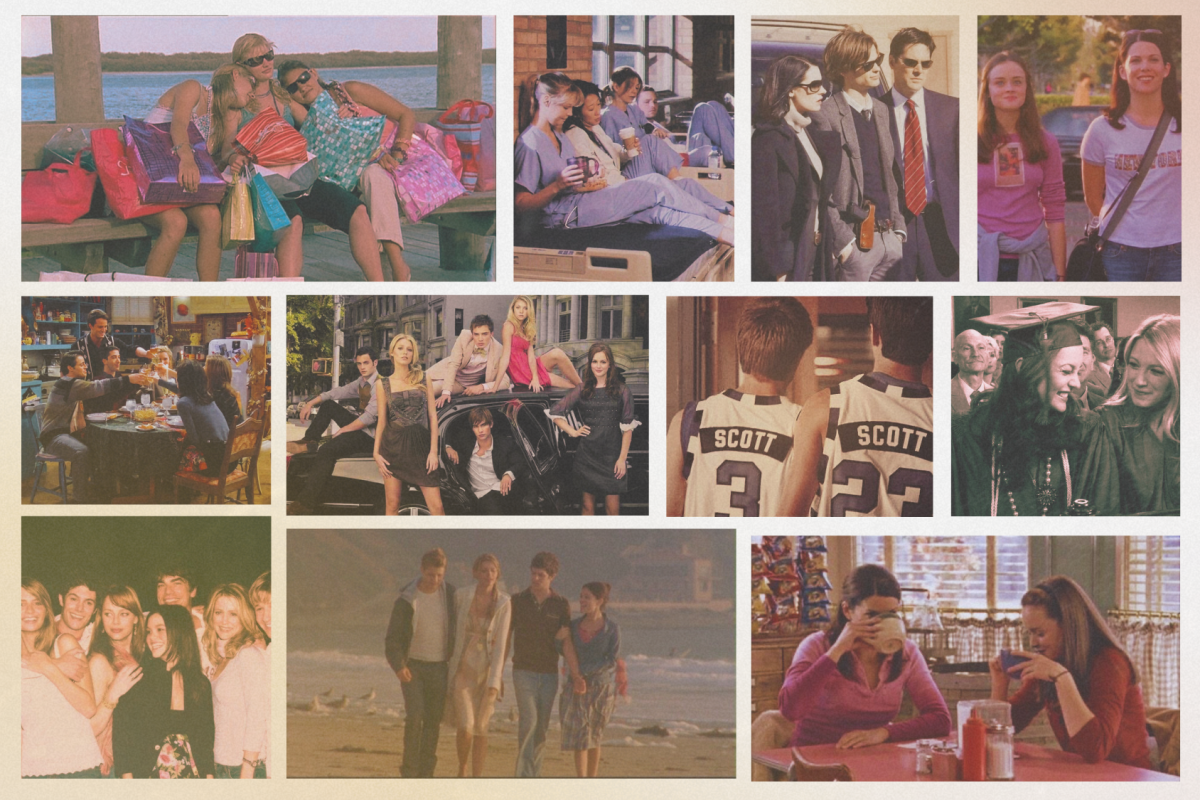
In the 2000’s, an era of virtual entertainment dominated by DVRs and Cable television, popular TV series were different. These shows had fans in a choke hold each week awaiting the return of their favorite characters. Why were these shows so popular? They featured stories that modern shows are desperate to recreate. While dozens of new series release every year and gain traction, it’s clear they will never beat the classics.
Special effects that are anything but special
The term “Netflix Lighting” was coined after viewers noticed the change in quality between modern and 2000’s series. The saturated, over-focused film; “Iphone face” actors with predictable lines; each scene characterized by its reliance on a cheap green screen are all unfortunate characteristics of modern shows. Somehow, the higher definition of footage drove more people away and back into the arms of the familiar 2000’s series that still had the grainy, warm camera definition everyone has come to love. While shows like “Gilmore Girls” had a budget so low that they had to borrow props from other sets and have the cast wear their real clothes, modern series like “Cobra Kai” dropped three million dollars per episode for viewers to be distracted by the neon lighting reflecting off the protagonist’s textured forehead and cheesy special effects.
Quantity over quality
Despite having an excessively large budget and fancy computer graphics, modern shows still slack on the quality and quantity end of things. Older shows have showcased that it is possible to have both. “Gossip Girl”, “One Tree Hill”, and “Grey’s Anatomy” have a range of six to 20 seasons with 45 minute run times, each of which never lost its original allure throughout the seasons. Shows nowadays consist of one to three seasons, each with eight 30 minute episodes that release in two separate waves. These series can take from one to three years to release another season.
For example, the more modern show, “Wednesday”, was a global phenomenon when it first came out in 2022. Audiences eagerly consumed the first season; however, after three years of waiting for the second season, which dropped this year, the hype around the first season had withered. In the end, Wednesday saw a 40-50% viewership drop in comparison to the first season.
The desperate outreach to teenagers
Unlike shows released recently, 2000’s shows remain timeless and relevant. Popular shows such “Outer Banks”, “Stranger Things”, and “The Summer I Turned Pretty” found a place within the better modern series, featuring young characters that face exciting hardships like the generations of shows before them; however they don’t have the same lasting effects. The patterns and themes of the 2000’s shows reflect the culture, language, and fashion of the time.
“The O.C”, for example, highlighted fashion trends of the time like low rise jeans, long tank tops and clunky jewelry, acting as a time capsule for younger generations to look at, while also giving the older generation a sense of nostalgia. While production teams for modern shows such as “The Summer I Turned Pretty” did look into recent fashion trends, they picked styles from 2019 and faced backlash when they refused to put Belly in anything but high-waisted skinny jeans and crop tops.
Additionally, modern series overly rely on recreating trends and using slang to connect with their demographic. This is present in “Ginny and Georgia”; however after featuring Snapchat filters and popular words like, ‘rizz’, most viewers had to turn off the TV and recover from second hand embarrassment. Instead of the ‘relatable’ moments the producers intended to create, they made cringe-worthy scenes for people to fast forward through– instantly killing trends they hoped to boost.
There’s something for everyone
Shows from the 2000’s have something for everyone. Every night, TVs featured a variety of shows with different of genres, with sitcoms like “The Office” and “Friends”; dramas like “Pretty Little Liars”, “90210” and “Smallville”; fantasy shows like “The Vampire Diaries” and “H2O: Just Add Water”; and crime shows like “Psych”, “Bones”, “NCIS” and “Criminal Minds”.
Show producers now are hyper-focused on what will appeal to their audience, instead of making a series that appeals to different genres. They may notice that some of their viewers enjoy teen dramas, but this leads to an overflow of teen shows, and fewer sitcoms or sci-fis are made for the younger demographic. With this method, shows follow the same cookie-cutter plot tailored to what they think their audience will enjoy. By having less variety, people are drawn to re-watching shows they already know and love that have a genre that is interesting to them.
Whether you like comedies, dramas, romance, or thrillers, it is clear that 2000’s shows are far superior to what is produced now in the TV industry.