




























































In 2026, Tamagotchi will celebrate its 30 year anniversary, having been invented on Nov. 23rd, 1996. Since their invention, Tamagotchis rose to fame in the late 1990’s and became a big trend worldwide.
Essentially, the digital pet has the owner hatch an egg, and the Tamagotchi will beep when it is happy, or in need of food or care. The owner cares for the creature by feeding, disciplining and cleaning up after it, while they can play mini games on the Tamagotchi as well. This anniversary brings up feelings of nostalgia for many, including account manager in insurance, Mona Grisafe-Oen, who was a former digital pet owner.
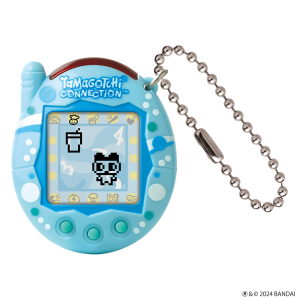
“This was an era where digital items that seemed alive or with personalities were unheard of. [Tamagotchis] seemed cool, borderline magical,” Grisafe-Oen said. She shared her memories of digital pets gaining popularity as a seventh grade student, only for 6-8 months during the 1996-97 school year.
During this anniversary, the legacy of Tamagotchi will continue, even three decades later. Many younger generations learned about the late nineties trend from their parents.
“My mom grew up with [Tamagotchis], and she gave me one for Christmas a couple years ago… she told me they were really popular when she was a teenager,” freshman Emma Gallo said.
At the time, not only were Tamagotchis popular, but there were three different levels of digital pets. These levels made Tamagotchis even more of a status symbol for kids during the era.
“Tamagotchis were imports, Nanopets were midtier, and Gigapets were the lame [off-brand] version,” Grisafe Oen said.
The act of caring for a Tamagotchi mimics the process of caring for a real pet; such as feeding, cleaning, and spending time with it. Because of this, Gallo believes this aspect is a positive effect of the toy.
“I think it’s really good for little kids too, [because they] have something to take care of, and face the consequences of not taking care of it while also being able to start over… [Tamagotchis] could teach people more responsibility for their actions and just in general taking care of a digital pet,” Gallo said.
Not only did it teach children responsibility, but it also provided a cheaper and sometimes more practical alternative for those who weren’t able to have a pet.
“It was an easy way to [have] a pet if you couldn’t get a real one… I couldn’t have a cat at the time, but I could get a [digital pet],” Grisafe-Oen said.
The 30 years of Tamagotchi will be celebrated by many people next year across numerous countries. And for some, the wholesome trend never left, and will be carried on in the future.