





















































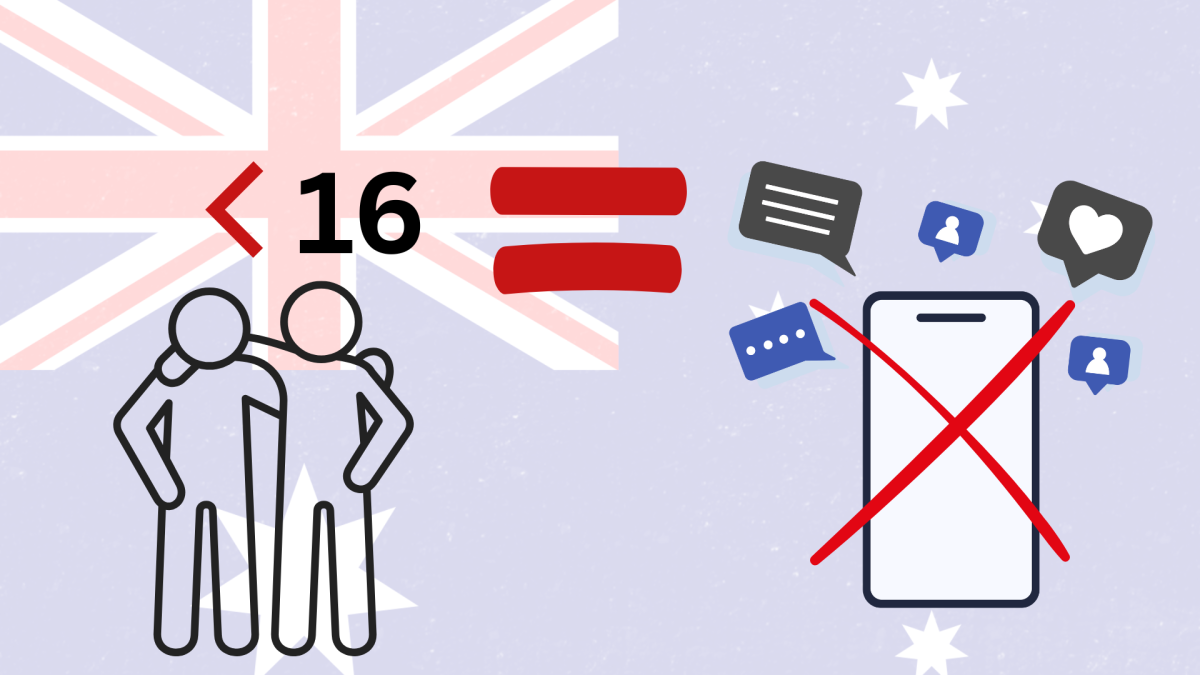
On Nov. 28, 20254, the Australian government passed a new regulation: the Online Safety Amendment. It was scheduled to take effect Dec. 10, 2025. This new bill prevents adolescents under the age of 16 from using social media platforms.
The Australian government is slowly transitioning for the safety of teenagers. Although it may not be a permanent solution, it contributes to the government’s goal of online safety. Instead of completely banning social media for all, the government is delaying the introduction of these platforms to minors in order to prevent teenagers from being exposed to harmful media.
According to the United Nations Children’s Fund Australia (UNICEF Australia), social media companies can face fines averaging $50 million if they give permission to those to teens under 16 to use their platforms.
The apps that are expected to be affected include TikTok, YouTube, Facebook, Instagram, Reddit, Snapchat, Twitch and X. Other apps are also being supervised under close monitoring for the safety of teens.
This regulation is predicted to prevent further deterioration of mental health in teens, who can be exposed to toxic trends within the online community. Cyberbullying has also been an increasingly prominent issue, alongside the bad habits that emerge from scrolling on social media for extended periods of time.
Due to these problems, the Australian government is setting clear guidelines as to how the change will be implemented and how it will affect youth under 16. As mentioned before, fines will be assigned to the apps that do not fulfill their part to prevent these adolescents from using their platform.
“[Age restricted platforms] will deactivate or remove [accounts belonging to minors], prevent under 16s from opening new accounts and prevent workarounds that may allow under-16s to bypass the restrictions,” eSafety Commissioner, Australia’s official government regulator website for online safety, said.
Developers will have the responsibility of monitoring and managing their platform and accurately blocking and removing accounts from teens under 16. There are still speculations regarding how the restrictions will be enforced. However, if done correctly and efficiently, the new bill can show positive outcomes.
“I think it is a good law to keep teens safe, I think it would [prevent] teenagers from meeting strangers that may be dangerous and from following [toxic] trends that could put their lives at risk,” sophomore Eileen Gomez Ramos said.
Overall, this change is anticipated to improve the mental wellbeing of teenagers and with these strategies placed and with the cooperation of app developers, the restrictions may deem effective for healthier and safer teenagers in Australia. With the introduction of safer social media practices, this may influence other countries to enforce similar measures.