


















































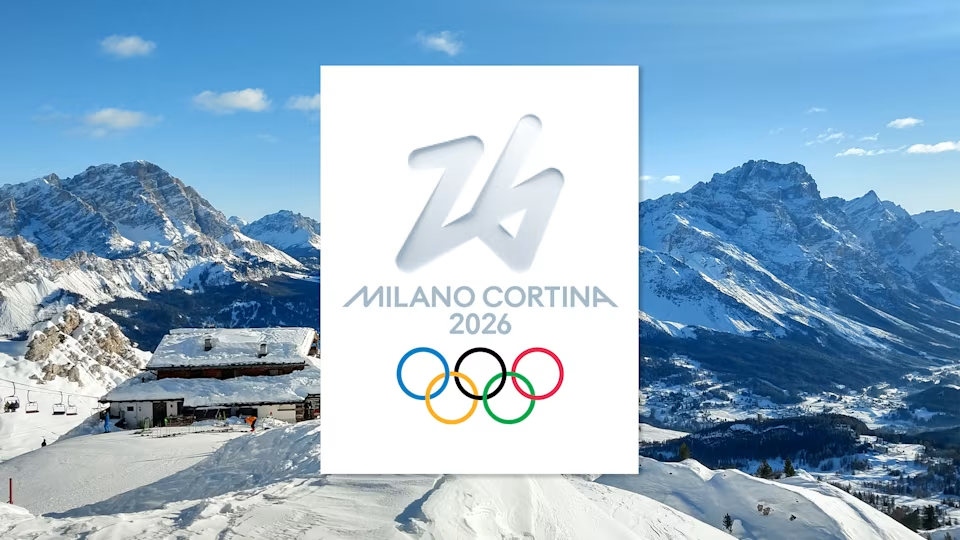
For most individuals around the world, the 2028 Summer Olympics, taking place in Los Angeles, Calif. are the game(s) to look forward to in the coming years. However, for winter sports fans around the world, the Winter Olympics of 2026, which started last Friday, Feb. 6, bring excitement and anticipation for many.
The Winter Olympics happen every four years, just like the summer ones, with the first winter Olympic game taking place in 1924, in Chamonix, France, in the French Alps. Taking place over 10 days, athletes from 16 regions came together to compete.
The first Olympics named “The Winter Sports Week of the VIII Olympiad”: quite a mouthful. Two years after the fact in 1926, they were properly renamed the Winter Olympic Games.
Although there have been some notable interruptions over the years, such as both World Wars, the Olympics still continue on, bringing winter athletes from all over the world to represent their country in the hopes of bringing home gold.
However, the games are not without their challenges. Due to the rise in climate change, the Winter Games pose a sustainable threat to Earth’s natural resources, which is why the Olympic Agenda 2020 brainstormed a plan to ensure the Olympics are respecting Earth’s resources.
“Olympic hosts are not required to adapt to the Games, the Games must adapt to the hosts,” Olympics.com said in a statement.
Hosts should try their best to only use existing venues, move the Games outside of the scheduled city if appropriate for sustainability purposes, and any construction must be made with “long term legacy” in mind.
The International Olympic Committee (IOC) also decided that starting in 2030, Game organizers will be obligated to “minimize direct and indirect Games-related carbon emissions, strive to remove more carbon from the atmosphere than the Games project emits, and use their influence to encourage stakeholders to take climate action.”
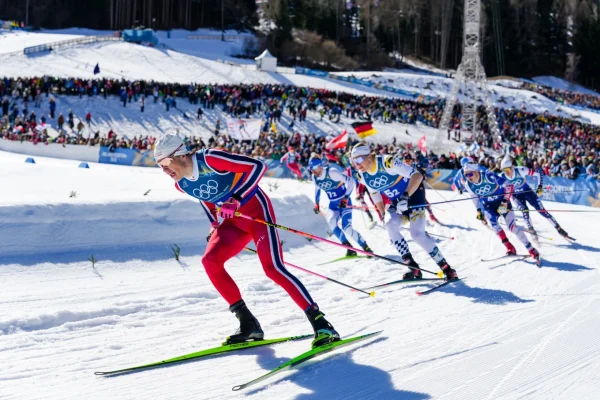
As saddening as it is, it is the current state of our climate right now, and even joyful events such as the Olympic Games must take important issues like these into consideration.
In addition to climate change rules, the Olympics are also introducing a new category of athletes: Individual Neutral Athletes (AINs). This allows Russian and Belarusian athletes, who were previously not allowed to participate in the Games due to the Russo-Ukrainian war, to compete under a neutral category.
AINs have to pass a series of tests, to ensure they are not involved in any previous doping scandals and are not affiliated with their respective militaries. They also have to follow a very strict set of rules, and are constantly under high scrutiny by the Olympic Board.
AINs must wear neutral colors, and not have any insignia bearing the flag of their country on their person. The national anthem of their respective country will not be played; instead the lyricless, instrumental AIN national anthem will be played should they win anything. Officials of Russia and Belarus are not invited to the Games, and athletes must meet all anti-doping requirements, as well as not be contracted to the military, or actively support the war. Additionally, only individual athletes are welcome, so no Russian or Belarusian teams will be present at the Games.
AINs cannot take part in the parade of delegations during the Opening Ceremony, as they are competing as individuals. It has not yet been decided if AINs can participate in the Closing Ceremony.
As we enter week two of the Winter Olympics, and athletes brush off their skis, skates and boards, fans grow ever more excited as more and more teams win the medal for their country. The Games will end Feb. 22, so stay tuned for yet another week of freezing temperatures, high adrenaline and outstanding sportsmanship.
The Winter Olympics are available to stream on Peacock and NBC, and clips are watchable on YouTube.