



















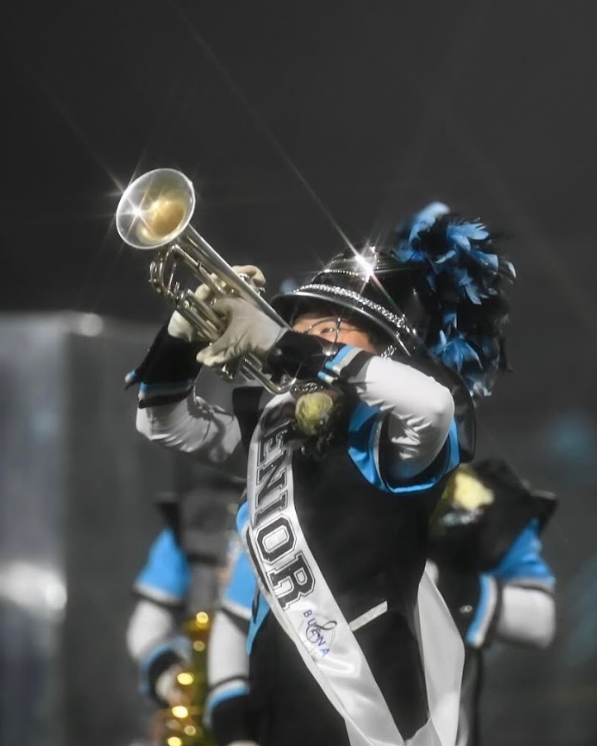
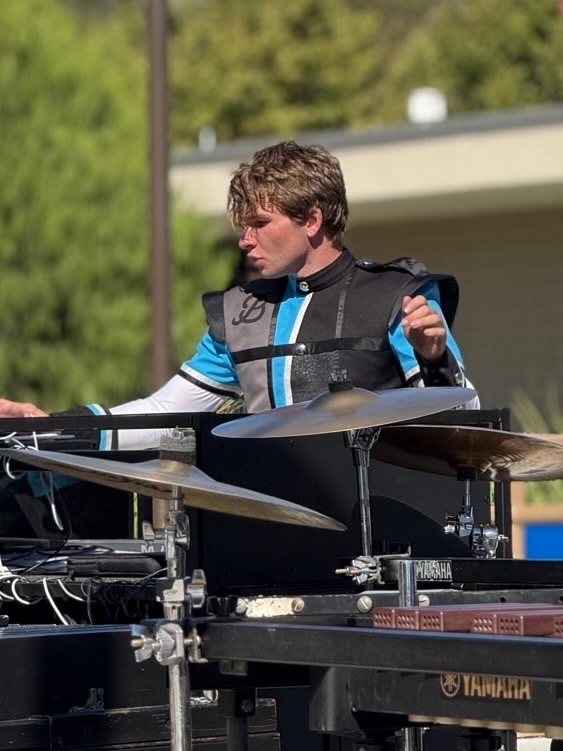





For years, generations of talented musicians have graced Buena with their presence, winning competitions and awards, performing at concerts and supporting sports’ teams with their sound. For many Bulldogs, this is something they have grown accustomed to, and even taken for granted. Unfortunately, due to severe declining enrollment shown across the board in music classes, several music classes may be combined or face possible closures unless more students enroll in the coming years.
Ventura Unified School District (VUSD) as a whole has been facing declining enrollment for many years. With many families opting to move away from California, switch to home/charter schools, fewer families having kids each year and more, this low enrollment is not an issue specific to VUSD.
High school programs often bear the brunt of the burden, being the ones most affected by declining enrollment, compared to middle and elementary schools due to there being less of them. The arts in general are heavily impacted by declining enrollment, with drama, the arts and music programs generally being the first to go when situations like these arise.
Over the last few years, Buena’s music program has seen severe declining enrollment across their music classes, leading to potential cuts or combining similar ensembles due to the low class sizes. One such example is Buena’s jazz band, which has the potential to be cut in the future unless more students enroll in the class. Currently, the class has 17 students, but with many of them graduating this year, future class sizes may be too small to justify having a class dedicated to jazz.
“The goal for next school year is to keep the same number of sections that he has right now. If at some point we’re no longer able to use Prop 28 funds for that in years in the future, and the numbers stay really low, then it might be a different conversation,” Assistant Principal Tiffany Dyer said. “But at this point, right now, especially because we know he’s in a building year, we don’t have any intentions as of now, cutting any sections.”
Within the jazz band, students have forged strong connections with each other and the music program, with the department becoming something of a “second home.”
“It’s always something I look forward to every single day. I get to go for my first period on even days and it’s really chill [and exciting],” junior and three-year jazz member Scotty Dato said. “For it to be cut, it’s really sad because it’s something I’ve been doing every year…the community is super strong…[and] it’s really disappointing that it would be dissolved if there’s not any more people joining.”
While the jazz program is the only ensemble that could be potentially cut next year due to the low class size, other music ensembles are not left unaffected. The Strings I and Strings II classes would be combined, along with Concert Band and Wind Ensemble, with the latter and Strings II both honors classes. Although great for class sizes, combining ensembles can cause multiple layers of issues regarding the gap in skill level between players.
“We have multiple level ensembles in order to not only motivate people to move up and make progress but also to allow for superior performances and beginner performance. I think that is a very important part in every single music program, and I think it truly keeps motivation going,” senior Stevie Fischetti.
-
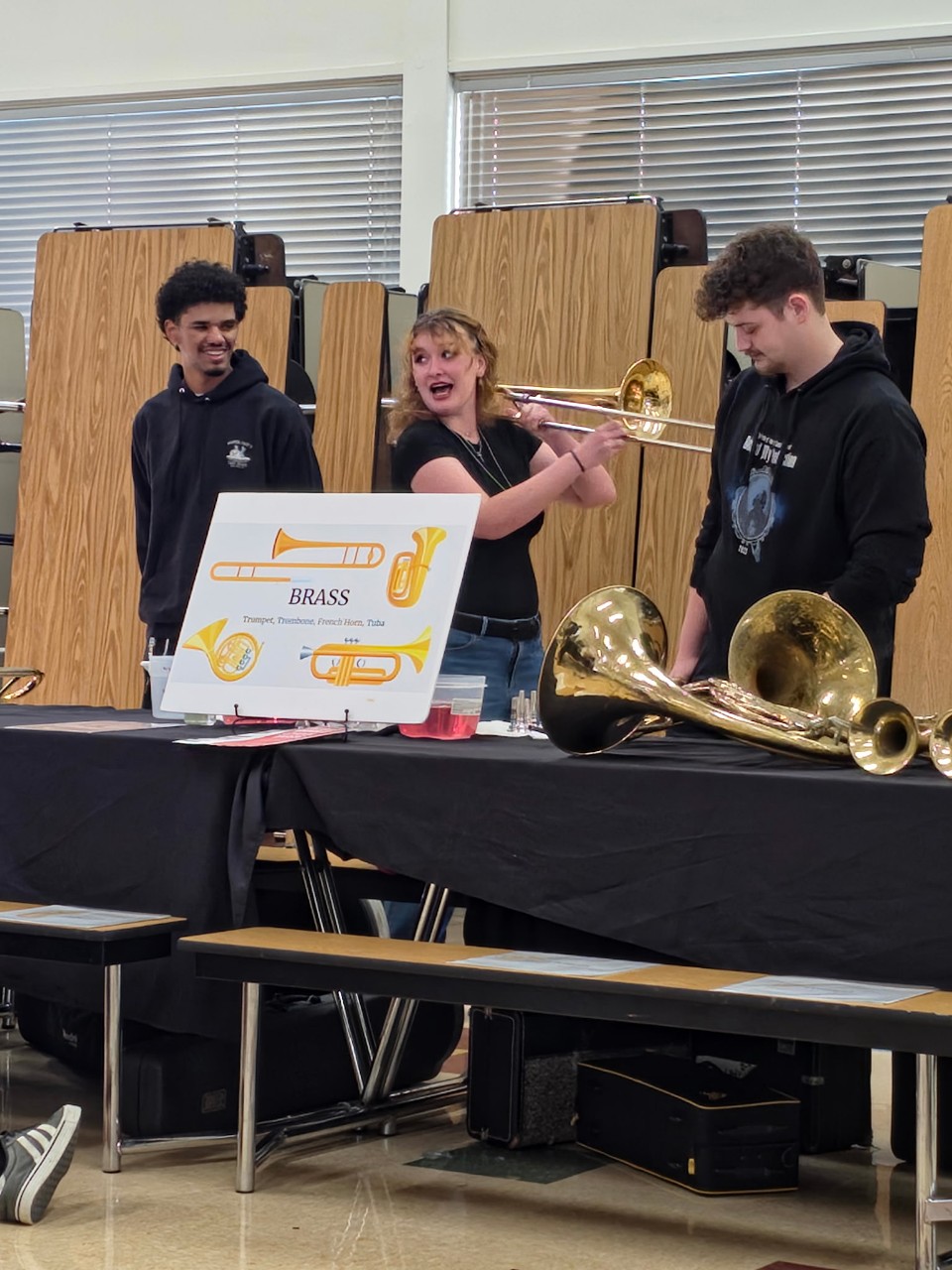
Three Buena students help with the brass station
-
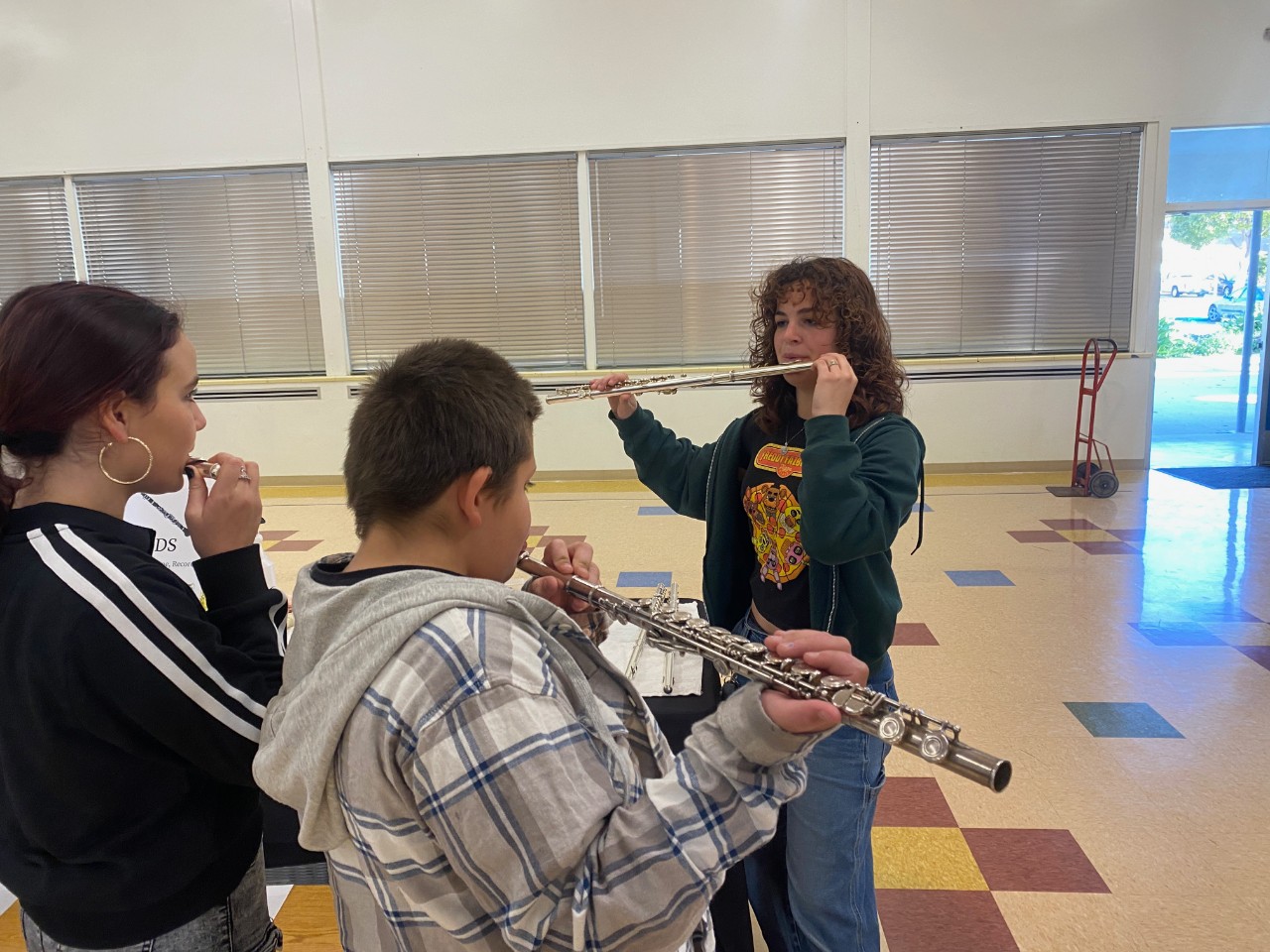
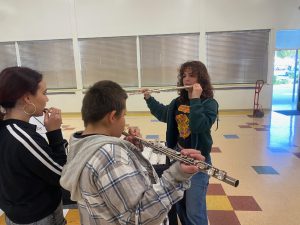
Senior Stevie Fischetti teaches two students how to play the flute
-
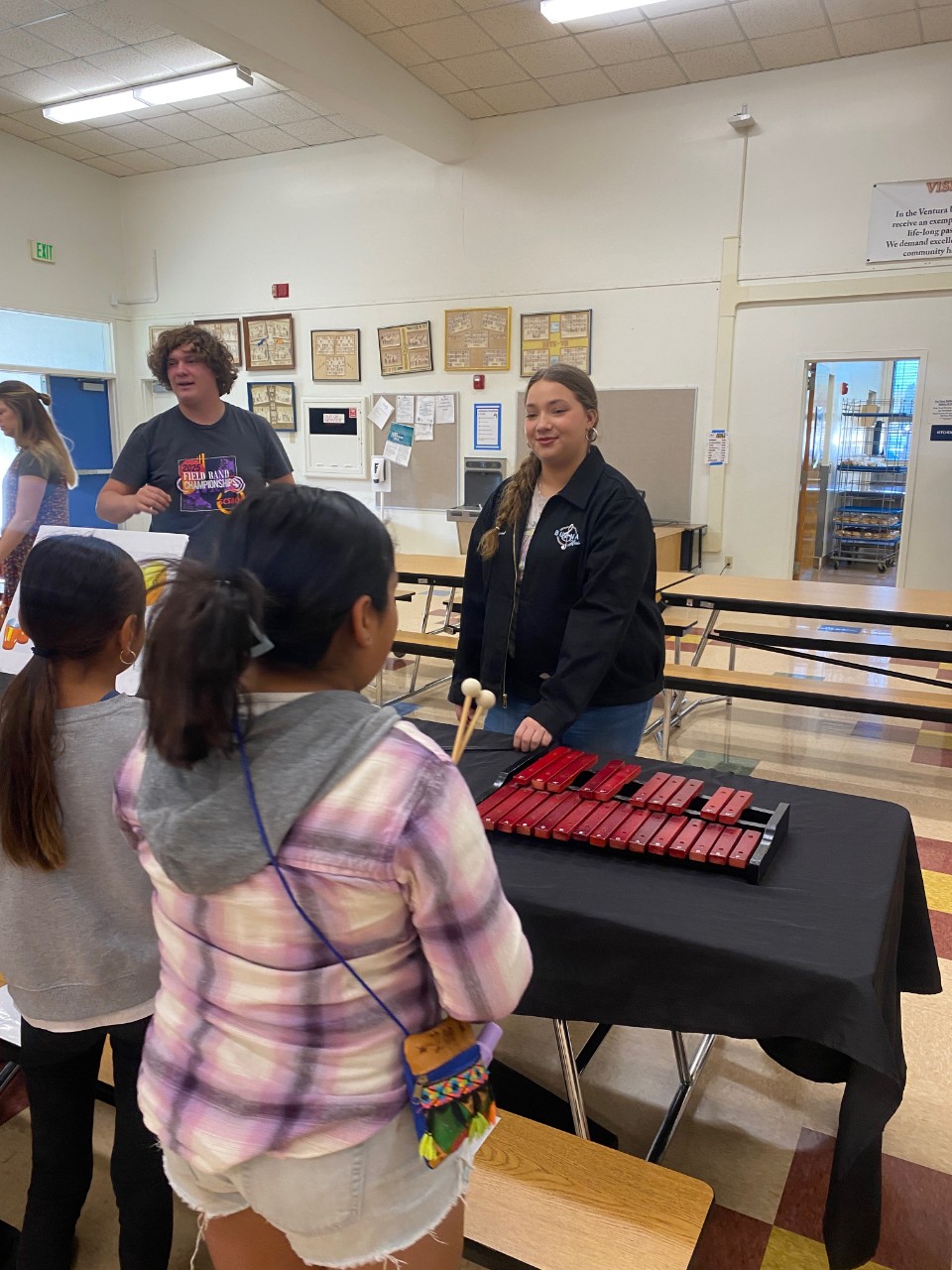
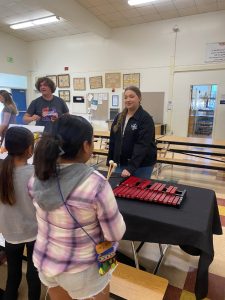
Freshman Holland Oerlemans watches as a student picks up mallets to play a percussion instrument
-
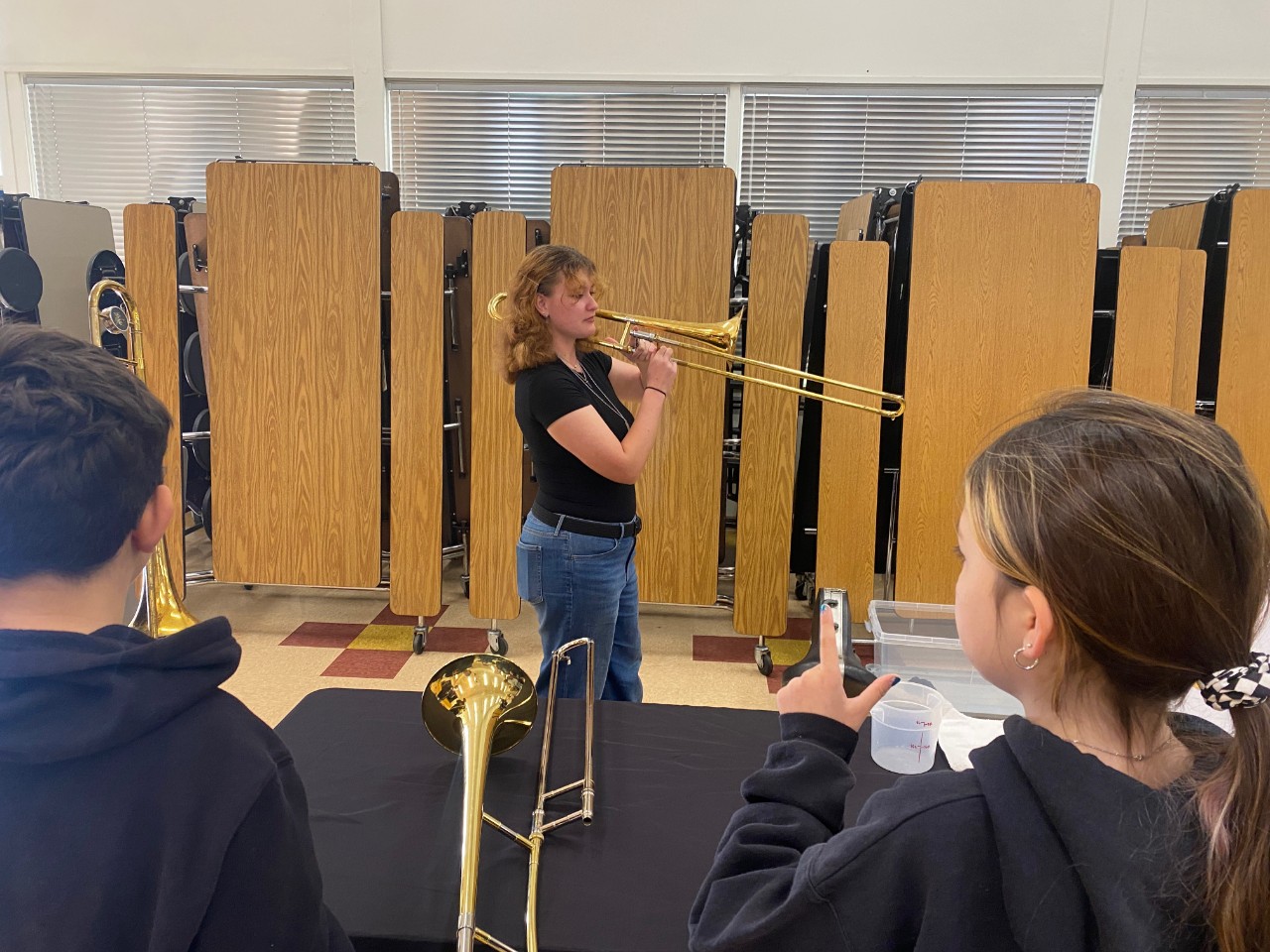
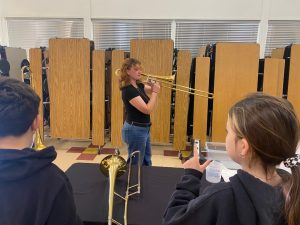
Junior Danika Ross demonstrates the trombone for elementary kids
-
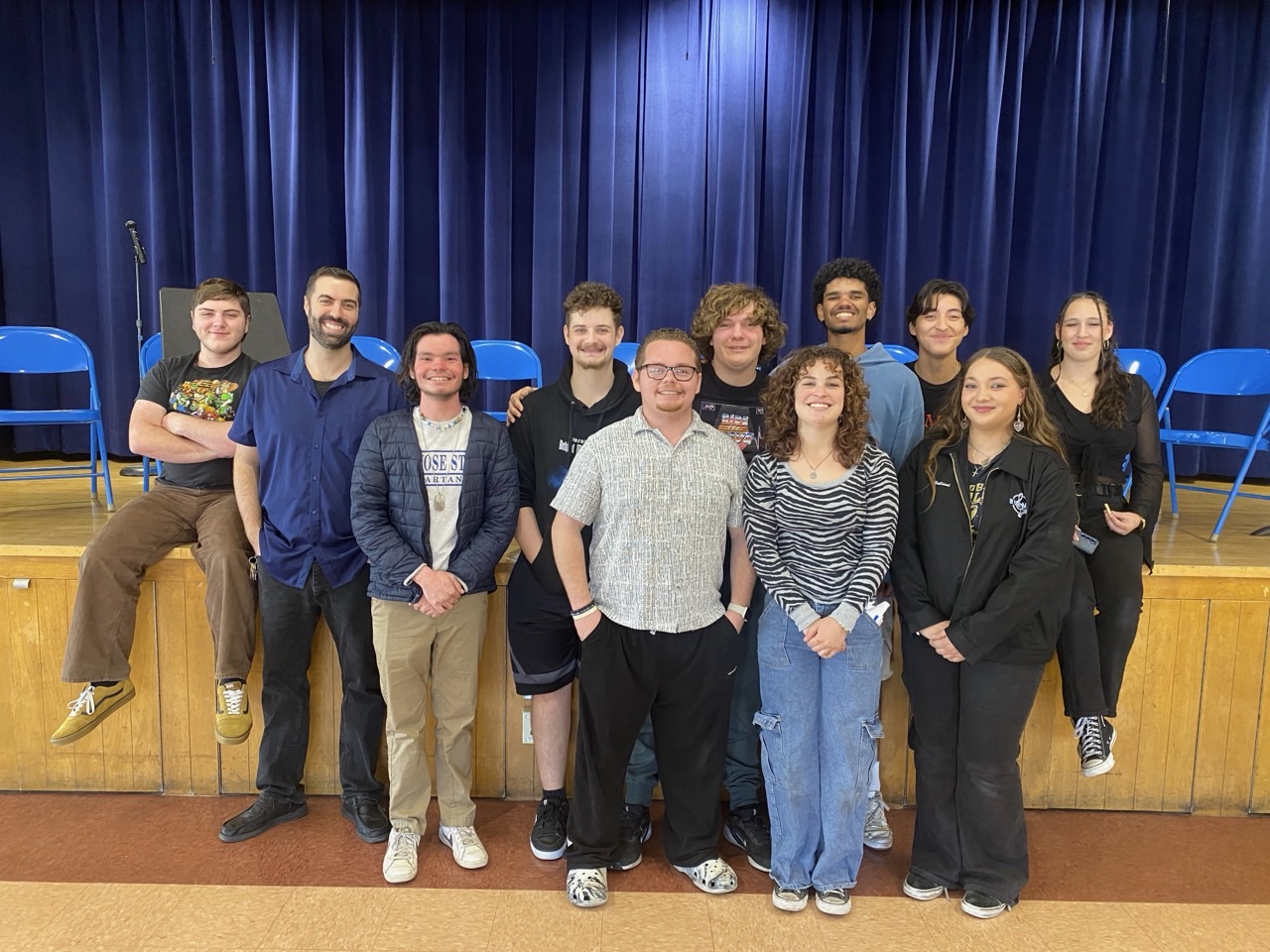
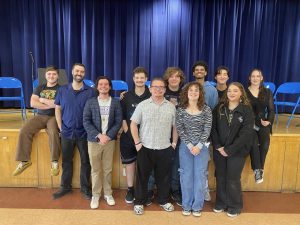
Buena Music students pose for a group photo after visiting one of the schools
However, despite the apparent lack of interest among the student body, music education has been proven to have positive benefits in both the cognitive and psychological fields. Countless studies have researched and supported the fact that students involved in music education have higher test scores in core subjects and benefit from higher achievement. Aside from the academic benefits, music education also benefits students personally and develops real world skills that go far beyond just notes on a paper. For both the aspiring musician and the casual player, music is valuable for both in being applicable in developing a musician to become a better player and building leadership and collaboration skills for others.
“There’s something about when you expose [younger kids] to music right away, and you do some basic music education with them, it just sets them up for success through the rest of their life,” music director Tim MacDonald said. “Practicing builds discipline, playing in an ensemble requires teamwork and collaboration skills as well as listening skills. It stimulates parts of your brain that develop growth.”
The music program has been involved in outreach efforts and to introduce younger students to music in general. Over the course of this year, the marching band and other music students have gone to a mix of nine elementary and middle schools to showcase the instruments and music.
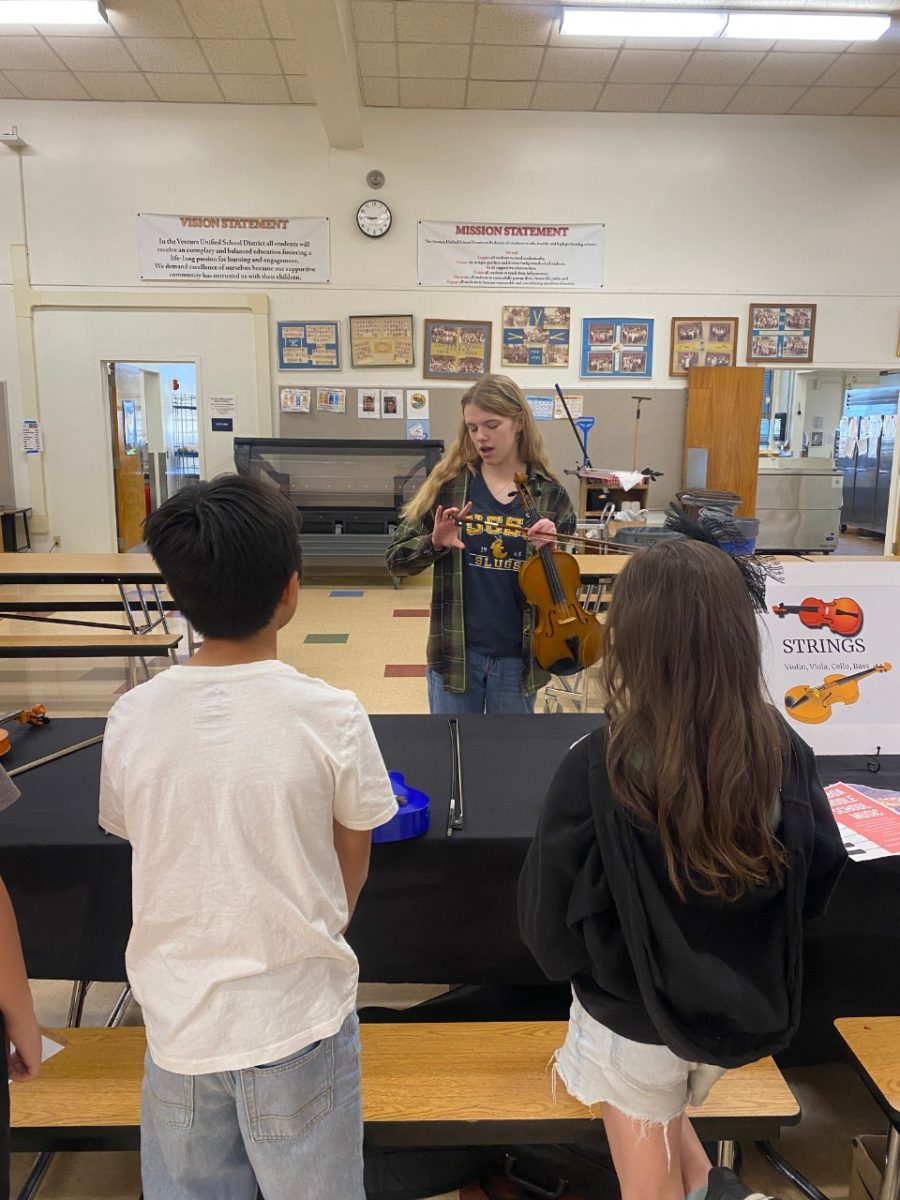
Specifically with the elementary school visits, students are provided with instruments from the music van, a literal van that supplies volunteers with instruments and supplies to introduce and demonstrate different instruments to younger kids. The elementary schoolers rotate around four stations each featuring a different instrument family (brass, woodwinds, percussion and strings) where they can try them out with help from a student specialized in that instrument section.
“It’s very entertaining and very heartwarming to see some people figure out how to play a note, or just get a sound out of an instrument, and see how happy they are, and just kind of see that smile on their face. There’s a sense of fulfillment in such a small thing like that,” Fischetti said.
Music outreach is not only important for recruitment purposes but also for an introduction to music for young kids who might not otherwise be exposed to it or to encourage them to continue music in middle school.
“Sometimes the only introduction or experience with music is through school, and it’s very important to some kids. You make friends that way, and it gives you an experience you might not get outside of school,” local fifth grader Victoria McCarter said. “The only reason I’m doing it outside of school is because I don’t have that option right now in my school. Not everyone can afford or wants to pay for something like music.”
As the second semester reaches its midway point, and class registration for next year has ended, music students are left wondering what will come of the music department in the coming years. As uncertainty looms, it is ever more important to acknowledge the impact and importance the arts have on the lives of many.
“I think that being able to have those opportunities at the school is obviously really important because we shouldn’t have to think of music as a privilege for the higher income families,” Fischetti said. “We should be able to think of music as something that every single school has and should not just be available to those [people with] high incomes.”