


































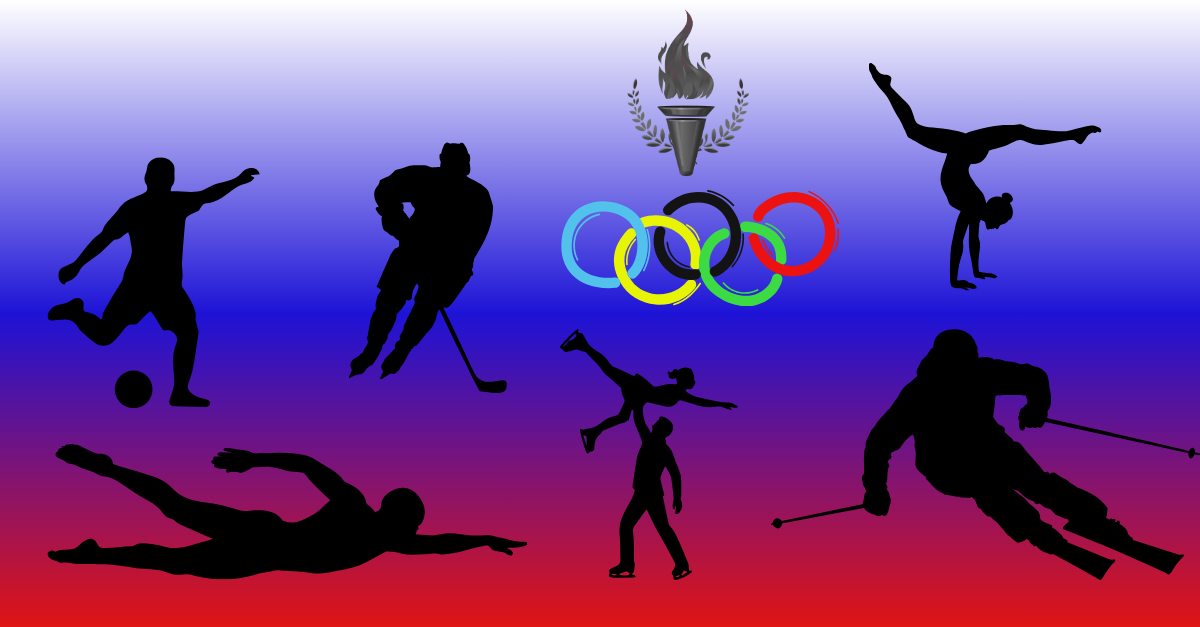
Since 2017, the Russian Federation, most commonly known around the world as Russia, has been banned from the Olympics because of the illegal use of performance enhancing drugs (doping). Following the Russo-Ukrainian war in 2022, the public’s opinions on Russia decreased greatly, with thousands of sanctions being imposed on the country by the US, the EU, the UK, etc and the general public calling for even more.
Russia was allowed to compete under their own flag for the Milan Paralympics, which offers hope for a full return for the 2028 Olympics. The International Olympic Committee (IOC) has begun discussions to decide if Russia will fully participate in the 2028 Olympics. At this point in time, no final decision has been made.
When many people think of Russia, they automatically think of the current war, or the doping scandals associated with the athletes. However, before all of this, Russia was world-renowned for ruling the Summer Olympics, scoring medal after medal, coming in only second place against the United States.
The athletes who worked their entire lives, focusing on their one sport, dedicating countless hours each and every day to perfecting their craft, were now forced to no longer attend the Olympic Games, due to politics.
Now, I care about politics just as much as the next person, but I think that much like everything else, they have their place and time. Sports are not one of those places, they are areas where athletes of different countries, different backgrounds and different beliefs can come together to compete in their shared sport.
Throughout Olympic history, a multitude of countries have been banned from the Olympics, all due to political tensions.
Russia was banned from the Olympics post 2017 due to all of the doping scandals that they were involved in. Although a concerning issue, the circumstances surrounding the events are curious, specifically the Kamila Valieva case.
Valieva is a 19-year-old Russian figure skater who was 15 when she participated in the 2022 Beijing Winter Olympics. The teenage athlete tested positive for Trimetazidine, a performance enhancing drug (PED) which has been banned by the World Anti-Doping Agency (WADA) since 2014. Valieva was then handed a four year suspension from any competitions, rendering her unable to compete in any competitions worldwide.
Global outcry surrounded this ban, with many fans saying that a 15-year-old could not possibly have had the idea to ingest a PED into their system, that ultimately it was her parent’s and her coaches’ responsibilities to ensure she stayed safe and healthy in competition.
While the teenage Valieva was handed a suspension, her coach was allowed to keep coaching, even overseeing athletes who competed in the recent 2026 Winter Olympics.
Valeiva is not the only young athlete accused of doping, with the responsible adults getting off scott-free. In fact, there are multiple cases of coaches forcing athletes to ingest drugs into their system, at the expense of the athlete’s entire career.
That said, it is my firm belief that the doping problem Russia has experienced is preventable, and they are not the only country to ever engage in practices like this. By suspending the coaches, as well as the athletes, whenever a positive doping test is revealed, the number of athletes engaging in this practice will significantly go down.
Many advocates for Russia’s continuous ban point to the ongoing war in Ukraine. Although a poignant issue, as stated previously, it is important to separate politics from sports. It is not fair to the many athletes who have worked their entire lives towards this moment to be refused because of something they have no involvement in.
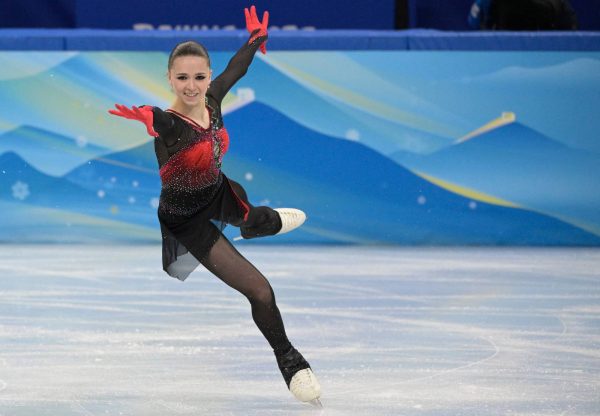
Many people argue that the Russian athletes can always compete under the Independent Neutral Athlete (AIN) status. However, the role of an AIN is incredibly restricting for Olympic athletes. For example, AINs cannot participate in the Opening Ceremony, teams cannot be formed, and national colors cannot be worn. They are not allowed to give any interviews, participate in press conferences, or even step foot into the “mixed zone” at the Olympics. A Russian AIN cannot even wear a simple red, white or blue due to those colors being Russia’s nationals.
We all hate it when one person ruins an opportunity for everybody, whether that be in the classroom, in the workplace, or simply in life. Although sometimes it is a necessity, is it really necessary to taint the future of generations of athletes because previous generations ruined it for them?
By the time the 2028 Los Angeles Olympics roll around, Russia will have been banned from them for 11 years. It is up to the IOC to give the country a second chance. If they blow it, by all means, ban them again, but at this point in time, we can only hope that Russia will have learned their lesson and will send their stellar athletes to the Olympics once again.