













































Should Germany participate in the world championship in the United States despite political tensions?
As global politics becomes increasingly complex, international sporting events, such as the World Cup, are increasingly becoming more debated. In view of growing political tensions between nations, some are wondering whether Germany should participate in the world championship held in the United States. This question raises important aspects about the relationship between sport and politics and the role of international competition in times of conflict.
On the one hand, critics argue that participation could be seen as support or as ignoring political conflicts. They are of the opinion that countries should set a clear sign by boycotting.”I really wonder when the time will be to think and talk about this [boycott] concretely,” Oke Gottlich, a DFB vice-president, told the Hamburger Morgenpost newspaper.”For me, that time has definitely come.” Historically, sports boycotts have already been used as a means of protest, such as in the Cold War. From this view, Germany could risk appearing indifferent to serious political problems if it participates without an opinion.
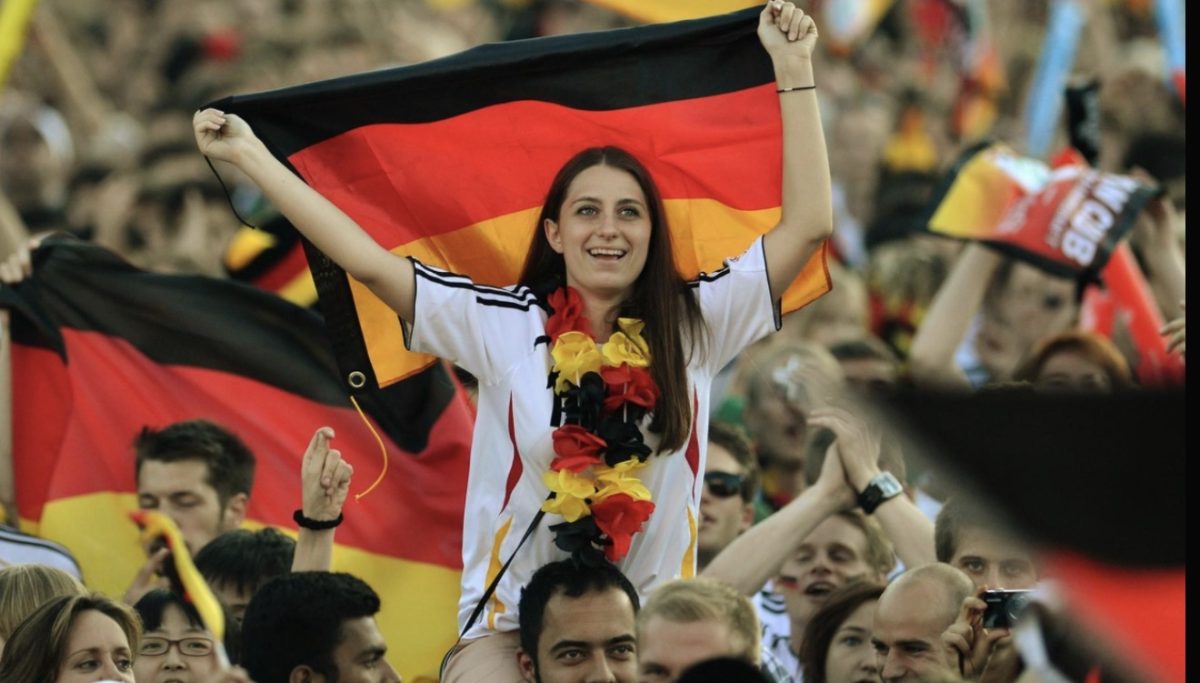
On the other hand, supporters of participation emphasize that sports should remain separate from politics. The World Cup is one of the few global events that brings people together regardless of nationality, culture or political views. For players, it represents the highlight of their career, and for fans, it is a rare moment of unity and enthusiasm. Excluding teams due to political differences could undermine the spirit of international cooperation, which the sport is supposed to demand.
In addition, Germany’s participation can also be seen as an opportunity. International tournaments provide a platform for dialogue, cultural exchange and mutual understanding. Instead of deepening division, they can help build bridges between countries.
In my opinion, Germany should continue to participate in the World Cup in the United States. Political tensions are important and should not be ignored, but the isolation of nations through sports will hardly solve conflicts. Football has the power to connect people across political boundaries, and maintaining these connections is more valuable than using sport as a political tool. Through participation, Germany can not only show its sporting strength, but also its commitment to international exchange and cohesion.