





















































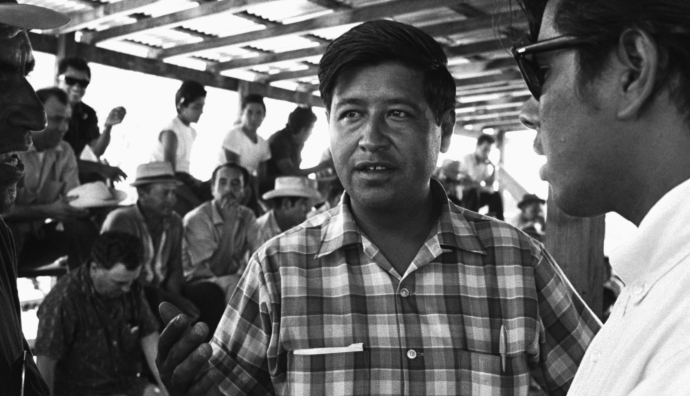
For decades, César Chávez has been remembered as one of the influential figures in the fight for farm worker rights in the United States. A Mexican American labor organizer and civil rights activist, Chávez helped transform working conditions for thousands of agricultural laborers. Today, however, his legacy is being reexamined following serious allegations of sexual abuse that have emerged more than 30 years after his death.
Born on March 31, 1927, he grew up in a family of migrant workers and ended up returning to agricultural labor in the Southwest after serving in the United States Navy in World War II. There, he experienced firsthand the harsh conditions faced by farmworkers, which later shaped his commitment to organizing and advocacy.
In the late 1950s, Chávez became increasingly involved in activism, and, alongside fellow activist Dolores Huerta, Chávez co-founded the National Farm Workers Association (NFWA), which later evolved into the United Farm Workers(UFW).
Chávez became widely known for his commitment to nonviolent protest, drawing inspiration from figures like Mahatma Gandhi. Through strikes, boycotts and hunger fasts, he helped secure improved wages, benefits and protections for farmworkers. Over time, these campaigns pressured growers into signing labor agreements, brought national agreements and brought national attention to the plight of migrant workers.
Chávez remained a prominent leader in the labor movement until his death on April 23, 1993. In the decades since, he has been honored through public memorials, schools and an annual holiday recognizing his contributions. His image has often symbolized perseverance, nonviolence and the struggle for workers’ rights– until now.
Recent allegations, first reported by The New York Times, have cast a shadow over his legacy. Several women, including Ana Murguia and Debra Rojas, who were minors at the time, have accused Chávez of repeated sexual abuse during the 1970s, when he was already a powerful and widely admired figure. According to their accounts, the abuse occurred over several years and often took place in private settings connected to his work.
The women, now adults, describe long-term emotional and psychological damage including anxiety, depression and difficulty maintaining relationships. Their allegations have been supported, in part, by claims that rumors of misconduct circulated privately among some members of the labor movement for decades, though they were not widely acknowledged at the time.
Additional revelations about Chávez’s personal life have also drawn attention. Reports indicate that he fathered several children outside of his marriage to Helen Chávez, with whom he had eight children. Some individuals within the movement have stated that aspects of his behavior were known internally but not publicly discussed, reflecting what they describe as a broader effort to preserve his public image.
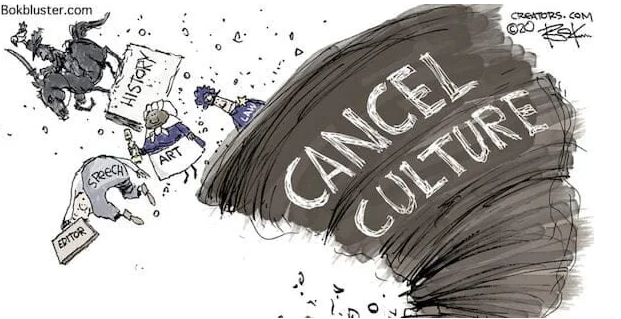
The allegations have prompted renewed debate over how Chávez should be remembered. Institutions that once honored him are now reassessing those tributes. At California State University San Marcos, a statue of him that had stood for decades was recently removed following public outcry. In Bakersfield, Calif. a proposal to rename a street after him has also faced opposition in light of the accusations.
Supporters and critics alike are grappling with the complexity of Chávez legacy. While many continue to recognize his significant contributions to labor rights and social justice, others argue that the allegations must be taken seriously and included in any full accounting of his life.
As discussions continue, Chávez’s story reflects a broader societal challenge: how to reconcile the achievements of influential figures with credible accusations of wrongdoing. For many, the reassessment is not about erasing history but about confronting it more fully, acknowledging both the progress he helped achieve and the harm he is now allegedly accused of causing.