






















































On April 1, 2026, the National Aeronautics and Space Administration (NASA) sent their first moon mission in 53 years, “Artemis ll”, to space in hopes of orbiting the moon in a nine day round trip.
With Artemis ll, NASA wanted to “confirm the systems necessary to support astronauts in deep space exploration” in preparation for expanding and fulfilling future space endeavors. Doing so, it experimented with crew, systems, hardware data, emergency operations and subsystems, all key for “assessing performance for future missions.”
This mission was made possible by the crew inside. The four astronauts chosen, Reid Wiseman (Commander), Victor Glover (Pilot), Christina Koch (Mission Specialist) and Jermey Hansen (Mission Specialist for Canadian Space Agency), all who let us be a part of this emotional journey with them.
TIMELINE & KEY MOMENTS
APRIL 1, 2026: Artemis ll launches at 6:35 p.m. from the Kennedy Space Center in Florida. Aboard, Wiseman, Glover, Koch and Hansen. Their mission: to orbit the moon and return safely back to Earth.
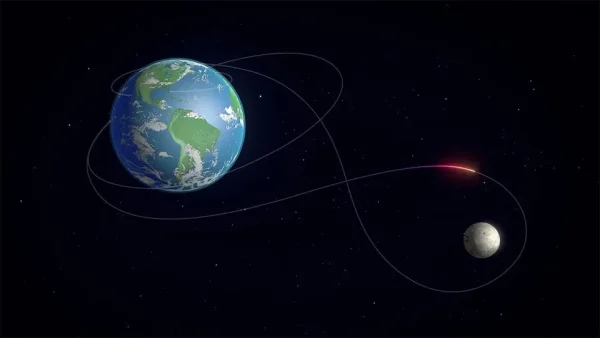
APRIL 2, 2026: The translunar injection burn has initiated its process after orbiting Earth twice, becoming the “defining moment of the mission”. A translunar injection burn is the Orion spacecraft committing the astronauts to their journey around the moon, while also guaranteeing they have a safe trip back to Earth.
As explained in a Forbes article, this process is a “30-minute engine firing [that] sends Orion out of Earth orbit and onto a free-return trajectory around the moon.”
It was fired successfully.
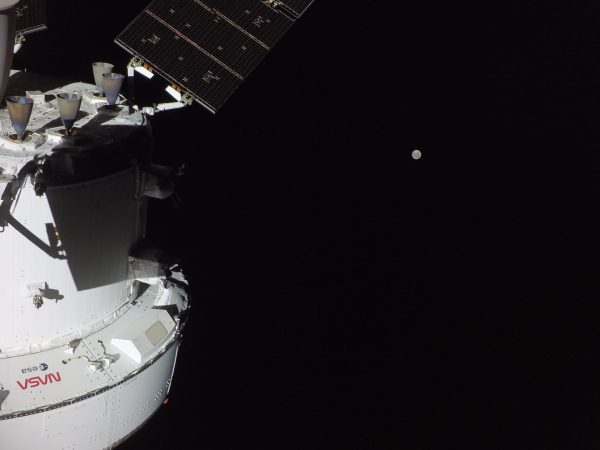
ARIL 6, 2026: The Artemis ll crew was officially carried around the far side of the moon. Their journey was expected to surpass “Apollo 13”’s crew in 1970, deeming them the “farthest humans have ever traveled from Earth”.
Moments before the lunar flyby, the crew joined on a call with mission control to deliver a heartfelt moment.
On call, they decided to propose the naming of one of Moon’s craters to be commander Reid Wiseman’s late wife, Carroll Wiseman, who died of cancer in 2020.
The phrase, “love you to the moon and back”, has been spoken well before, yet Wiseman was the only man to officially declare it. Carroll Crater is a symbol of love and passion that connects the Earth’s love to the Moon.
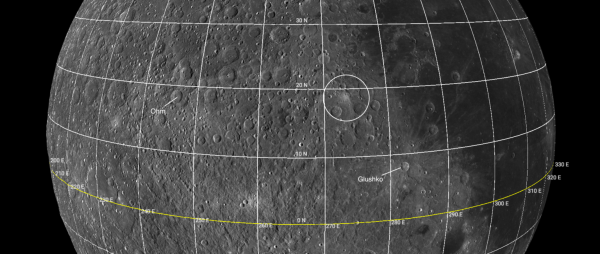
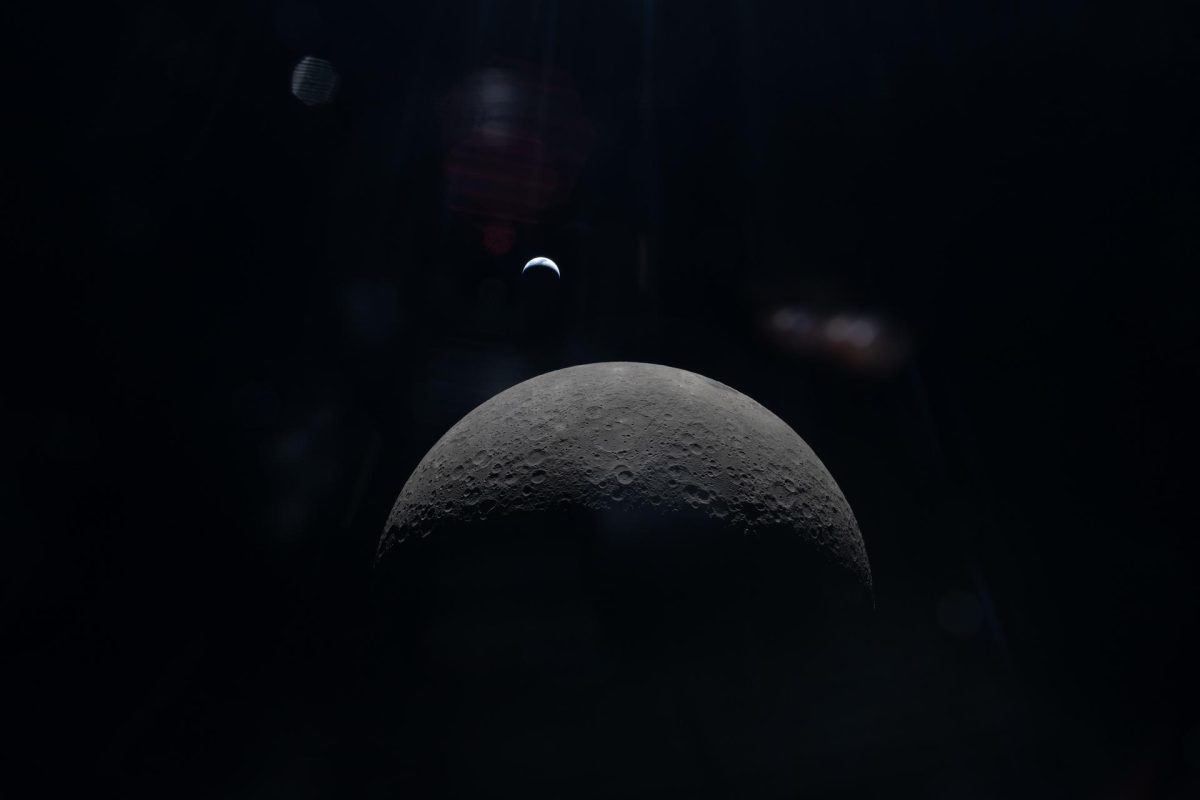
At this point in the mission, they saw the entire disk of the moon, something that has never been seen to humanity. The Artemis ll’s crew were the first humans to see the remarkable image of Mare Orientale, an impact basin on the far side of the moon.
As soon as they saw this, Wiseman called out to Mission Control, saying, “Good gracious! We can see over Orientale with the naked eye. Primary colors that we see right now – just a bright, bright white, especially on the South Pole and the farside, and then all the maria on the near side are just varying shades of grey,”Astronomy article stated.
Yet, that is not all that the moon had to offer for them. The two hours after Orion reaches perilune (a point in lunar orbit that is nearest to the moon’s surface), the crew witnessed a total solar eclipse.
“The moon we are looking at is not the Moon you’ll see from Earth whatsoever, ” Koch said in a briefing on the total eclipse.

APRIL 7, 2026: The Orion and Artemis ll crew prepare for their journey back to Earth after their “historic lunar flyby” the day before.
At 1:23 p.m., they exited the lunar sphere of influence and successfully emerged from the Moon’s shifting gravitational rotation, accomplishing their part of the mission.
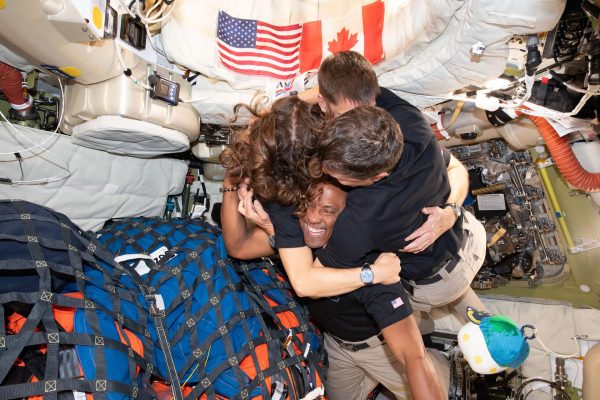
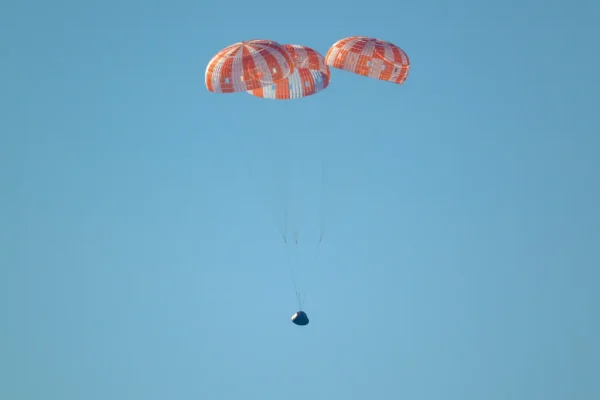
APRIL 10, 2026: The Artemis ll mission finally concluded with the reentry back into Earth’s atmosphere, splashing down into the Pacific Ocean off the coast of Baja, California.
“Artemis II marks a pivotal moment for sustained human exploration, where an incredible crew will fly alongside advanced material,”Marianna Maiarù said in a Forbes article, “quietly redefining structural resilience and paving the way for a new era of exploration beyond Earth”.