






































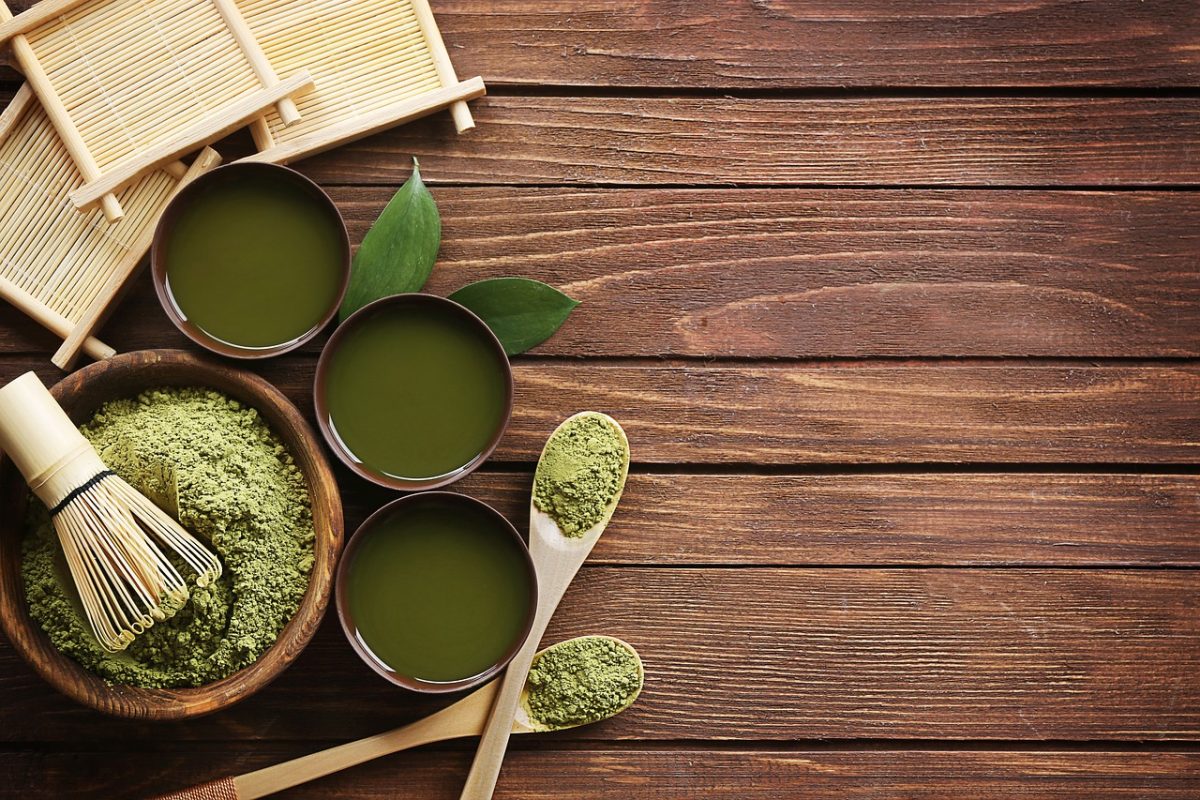
Over the past few years, matcha has made a huge impact on restaurant menus and peoples’ taste buds. It has become a huge cultural phenomenon. From lattes to desserts, it seems like everyone is either obsessed or totally disgusted by the thought of green tea leaves. But what do people actually think about matcha beyond the aesthetic?
For many fans, matcha is more than just a drink, it’s a lifestyle. Supporters rave about the refreshing earthy flavor, the energy boost and often comparing it to coffee but without the jittery crash. Health conscious consumers praise the health benefits that come along with matcha. Matcha includes benefits to the heart, cognition and other benefits including antioxidants.
Matcha traces its origins to Japan where it became an important part of traditional culture and daily life. Although powdered tea first appeared in China, it was in Japan that matcha was refined and turned into the ceremonial drink we recognize today.
Matcha offers many long lasting focus benefits, but not everyone is convinced that the benefits are true. Critics are quick to point out that matcha flavor can be an acquired taste. People describe it as grassy and seaweed-like. For first-time drinkers expecting something sweet, the reality can be disappointing. Some argue that cafes often overload matcha drinks with sugar or syrups just to make them more visually appealing which deflates the purpose of its health benefits.
There’s also the question of whether matcha popularity is driven more by trends than taste. Its vibrant green color makes it visually appealing, especially on social media, where aesthetics can influence what people try. As a result, some people admit they tried matcha simply because it looked good online which led them to believe that they would like it.
Still, others fall somewhere in the middle. They may not love matcha on its own but enjoy it when paired with milk, vanilla or in desserts like ice cream and pastries. These opinions keep matcha relevant in menus.
In the end, matcha seems to spark strong opinions on both sides. Whether it’s a beloved daily ritual or an overrated trend, one thing is clear- people aren’t neutral about it. And maybe that’s exactly why matcha continues to stand out in a crowded world of food and drinks.