


























For over three months now, Cuba has experienced numerous blackouts, heavily due to the kidnapping of Cuba’s ally and main oil supplier Nicolás Maduro, the Venezuelan president on Jan. 3, 2026. The cause is additionally due to Trump blocking Venezuelan oil imports from Cuba, as well as threatening to put tariffs on oil imported from any other country to Cuba.
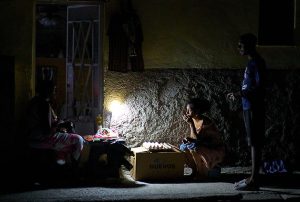
This blockade has drastically affected Cubans, making life difficult in a myriad of ways. Since Cuba has been without oil since Jan. 9, hospitals are hugely impacted and shortages of fuel and food are worsening. People rely on flashlights to walk through the streets at night amid blackouts that sometimes last more than half a day. One of the longest lasted about 29 hours, before the power was restored on the evening of Mar. 17, 2026.
The United States (U.S.) has gone as far as to intercept or seize shipments of oil headed to Cuba. This obstructionism is nothing new. For years, Cuba has been a focus of U.S. attention, according to retired marine and history teacher, James Sargent.
“Throughout the centuries, Cuba has been brutalized, colonized and threatened… [The U.S.] wants to make the Cuban people suffer so they will overthrow their government,” Sargent said.
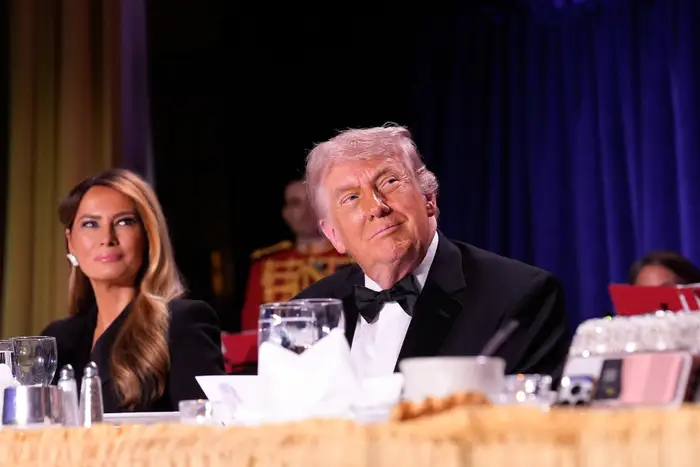
Cuba’s 10.9 million people are suffering while the tension intensifies as U.S. President Donald Trump continues to threaten the island, telling reporters that he will “have the honor of taking Cuba,” on March 16, less than a month after starting war with Iran in coordination with the Israeli military.
“I mean, whether I free it, take it, I think I can do anything I want with it,” Trump said.
Cuban president, Miguel Díaz-Canel has replied to such threats, calling Trump’s narrative unjustified and saying that he doesn’t want military aggression but is ultimately prepared and ready to defend Cuba if needed.
The ongoing energy crisis and conflict with the U.S. has additionally prompted protests across the island, with protesters in March throwing rocks through the windows of a Communist Party Office (CPO) building. Worry and concern grows as negotiations between the countries continue.
“I am very disappointed to see that imperialism is alive and growing in the U.S. They argue that these countries would be better off as a colony of the U.S,” Sargent said. “[Trump] calls it conquest in the name of “America First” or perhaps profit first. After teaching over 40 years, I never dreamed that ‘The Age of Imperialism’ would happen again.”
In the March 22 Al Jazeera article, taxi driver Nilo Lopez shared the disheartening sentiment similarly felt by many Cubans at this time.
“I wonder if we are going to be like this our whole lives. [We] can’t live like this,” Lopez said.