






























Over various decades, fashion has made its round around the globe, always being some way to express identity through patterns and colors. As years go on, the world evolves and grows. People grow up, live life or follow patterns.
Fashion is never constant; it’s always changing. And it’s noticed to be vicariously changing with the world’s standards.
THE ROARING TWENTIES (1920-1929)
The roaring twenties was the period directly after World War I which came with major “dramatic social, economic and political change”, becoming an iconic time in American history.
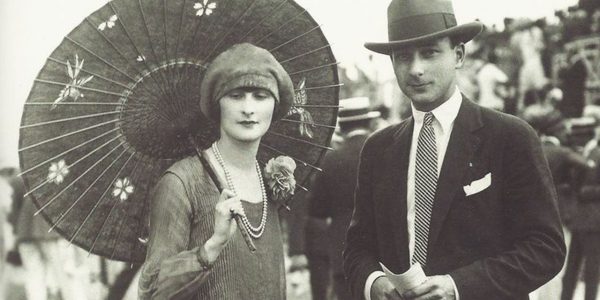
The 20s was a period of pop-culture phenomenon, bringing the rise of Jazz, city life and the most familiar symbol of the era: Flappers.
This period in fashion was the pivotal era for women in expressing themselves through articulate pieces and manner. Flappers were bobbed haired young women who wore short skirts with a boyish, boxy figure and often acted “unladylike.”
Now, flappers are considered to be one of the most iconic and influential eras for women, as they were so free-ranged and spirited patrons to look back on.
Although this period was a time of thriving and flourishing, the economic state declined at the end of this decade, starting the Great Depression and later, World War II.
THE WAR YEARS (1940-1949)
The War Years is exactly how it sounds. This period was during the years of World War II. Although men were off at war, women were contributing just as much, being supporters for their husbands and sons, while also being nurses and working in factories for income.
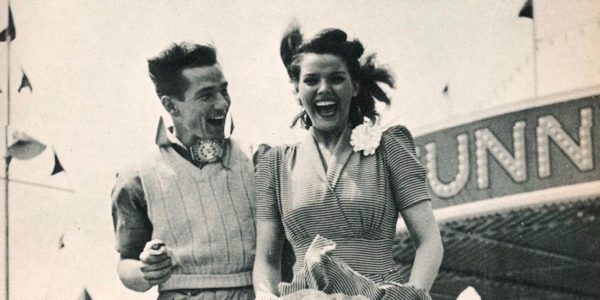
If we go back in time to look at a standard working woman’s outfit, you would notice a more accentuated hourglass proportional figure, with a “nipped in waist and padded shoulders.” This style was classy yet casual and was inexpensive due to fabric rationing.
One of the most influential stylish women of that time was actress Katharine Hepburn. She was a pivotal icon on screen and off, always debuting new visually demanding pieces. Hepburn often wore high-waisted slacks and button down shirts that emphasized the “American look” in awareness of World War II. Stated in a Fashion History Timeline article, they say that “her svelte image helped to spread the sporty, American style.”
The 40s had taken fashion into a storm, either being expressed in movies or on the street. This era was only the start to future fashion years.
FABULOUS FIFTIES (1950-1959)
The 50s are called the “Golden Age” because of the post-war economic prosperity, technological advancements and consumer culture, all very similar to the 20s.
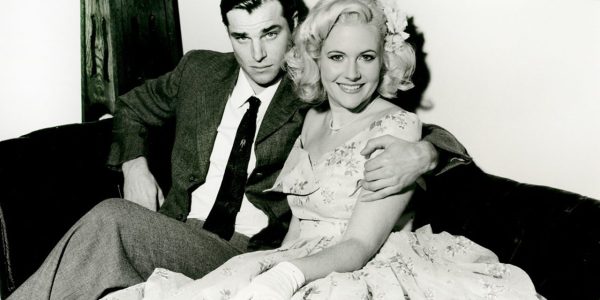
During these years, America thrived. Whether it was from Hollywood’s booming business or economic prosperity, this time in history was picture perfect, looking exactly as if it belonged to a setting for a film. Yet, was it really?
During the 50s, women were heavily put into societal pressure in order to exceed gender norms. And with this, fashion styles from the 40s changed from more older, feminine style to youthful, petite and girlish.
This included “elegance, formality, and perfectly matched accessories” all while designers searched for a straighter and slimmer silhouette, accentuating the new “teenager” inspiration for that time.
SWINGING SIXTIES (1960-1969)
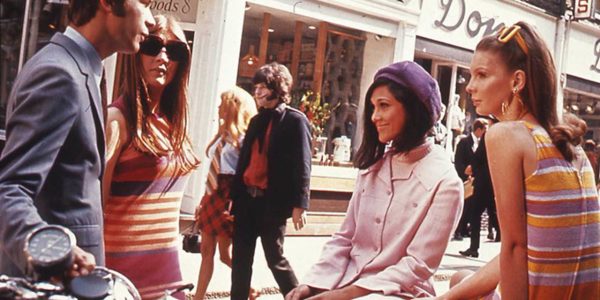
The starting years of the sixties were much more like the 50s, with refined color and a young aspect to life. Yet, much like every decade, it changes as years go on. The transition into the late 60s was a special time in American history, as it was now all about peace and love through assassinations and civil rights. During this time, alongside the Civil Rights Movement, woman empowerment shaped how the world is now.
With this new talk about peace and equality, genders were not defined into a single piece of clothing to wear. Women were now their own self, which brought us “the miniskirt and minidress” and a new approach to bold colors, patterns and brought out a woman’s inner “child-like style.”
ME DECADE (1970-1979)
The 70s are famously known to be formed through music, groove and intuition. Throughout this decade, various film and music classics were born under the influence of the world. Although this was a time of “soaring inflation [and] political upheaval”, self expression was the key to move through this peculiar time.
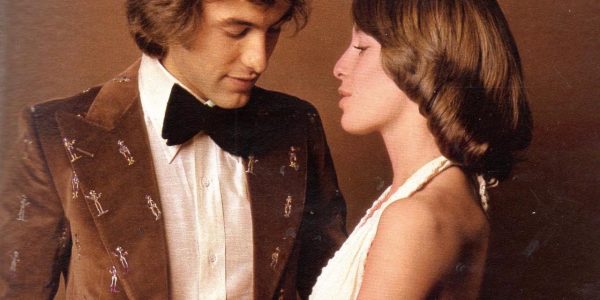
The 70s brought forth a new generation of people: Hippies. Hippies were “a countercultural movement that rejected the mores of mainstream American life.” A hippie woman’s typical fashion would be “prairie dresses” made with patchwork, crochet and knitting, while wearing clothes that were heavily inspired by menswear, due to women gaining sexual freedoms. This included “tuxedos” and “trouser suits” that were glorified with animal prints and wacky colors.
DECADE OF DECADENCE (1980-1989)
The 80s is now one of the most memorable times in American history. During this time, this era was all for music and entertainment, while also being remembered for its “materialism and communism” that was very undermined by the advanced culture.
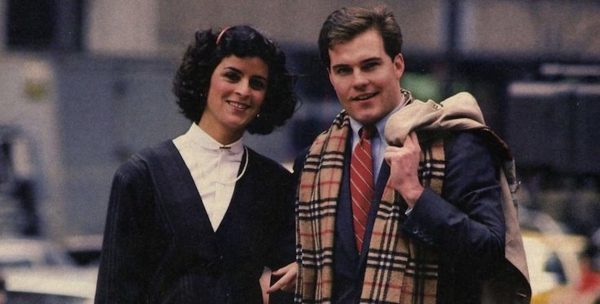
Because of the feminist movement, women had the choice of their own body and who they could be. Much alike with the 70s and 60s, the culture that surrounded this era was one that was influenced by music. But now, instead of having men lead this industry, women were the definition of the music generation.
The main fashion pop icon from the 80s was Madonna. Her “power dressing” type style paved the way for expressing a woman’s freedom, as her inter-sexual, spunky style was so intellectually unique and unheard of. She would typically wear what a more evolved teenager would; with “jelly bracelets, lace detailing, and headbands” and “bomber jackets”, with very messily-cooperative hair and re-imagined detailed pieces.
Because of her, this new generation of kids and teenagers looked to her as if she was some type of god (which is completely understandable). They often wore various types of “stylish sportswear” due to the uproaring of fitness and “flared jeans, padded shoulders and gaudy hoops”.
GRUNGE ERA (1990-1999)
The 90s was the pinnacle of fashion through new, rebranded “fashion shows” and actors and actresses, on or off screen. This period in fashion was more a “casual style of dressing and minimalism”, a harsh comparison to the decade before.
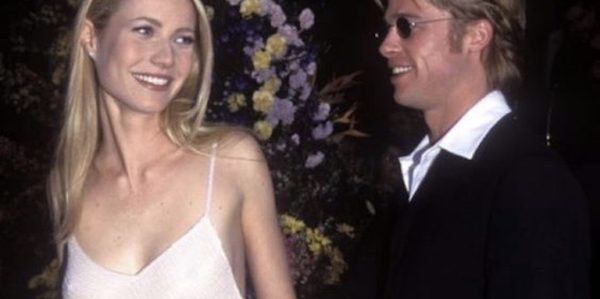
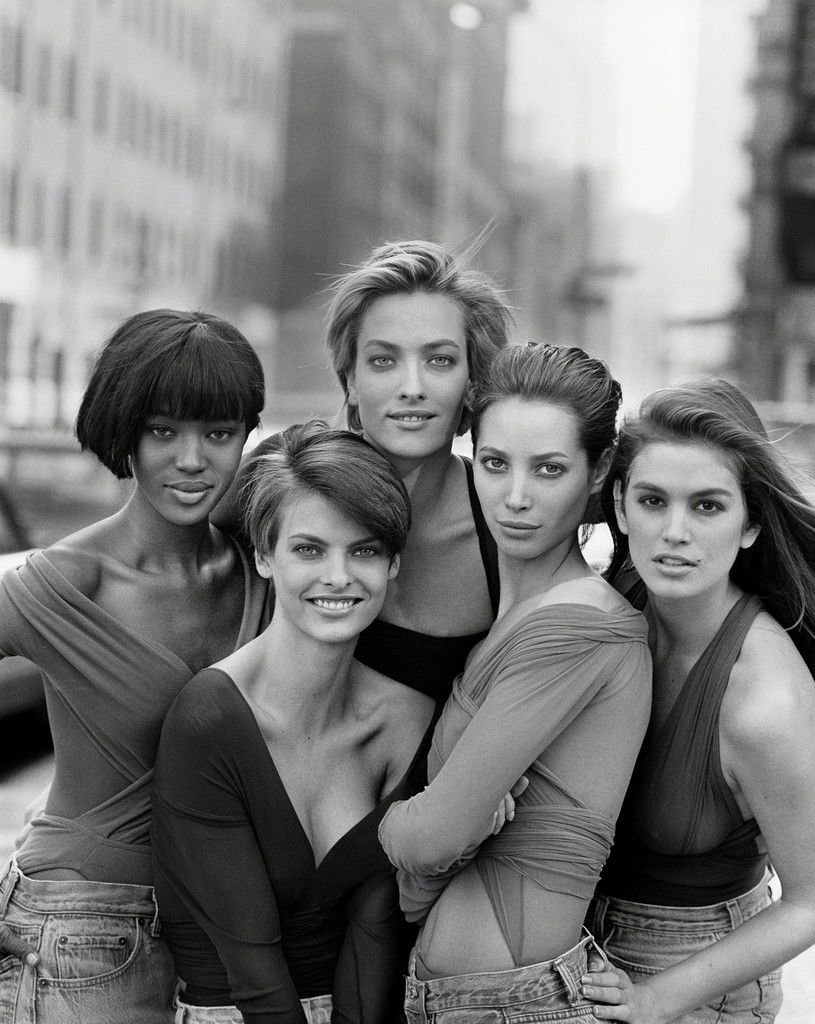
The fashion industry during this era was entirely built upon the phenomenon of the “supermodel.” Although this was only one part of the 90s, their real style was “baggy, worn-out jeans, flannel shirts and Doc Martens boots”, which was mostly seen with a cigarette in hand.
Kate Moss, a member of the “Big Six” in supermodeling, took both lifestyles and combined them together with her well known “heroin chic” persona. This showed how much a woman can be reckless yet so organized with her life, while also including a more masculine “who cares” personality. She often wore out during the day the “supermodel off-duty” look, by wearing “a simple white t-shirt, high waisted jeans and a leather jacket”.
THE 2000S (2000-2009)
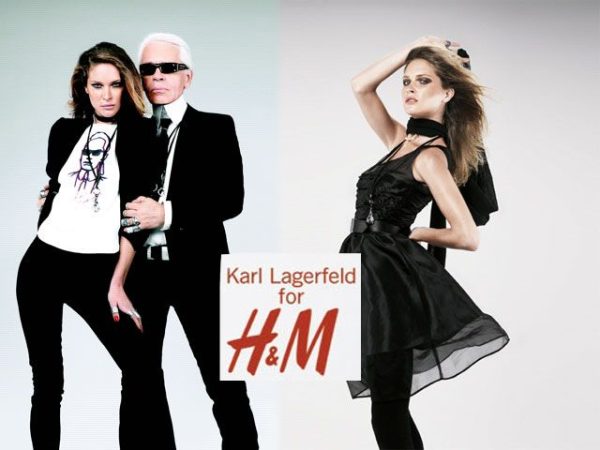
This period was defined by “ultra-lowrise jeans and tight cropped shirts” with the accompanying “That’s hot!” and the increased sex appeal towards women. During this stage in history, it was one filled with drugs, drama and media, all that was targeted towards the demeaning downfall of celebrities.
Though it may seem harsh, that was the reality. The 2000s, especially in Hollywood, was all for new trends and uncovered attitudes. Paris Hilton was a big contributor to this stage. She was often seen in “tracksuits, Ugg Boots, bright colors and bare skin” and now, people strive for that stuff, even 20 years later.
THE 2020S (2020-present time)
2020 was a defining time globally, as the outbreak of “Covid-19” had just appeared and had everyone on lockdown. Even six years after that disastrous time, fashion has had no improvement and no creativity to it.
Everything is now bland and one monotone color. You’ll now see practically everyone looking like a clone of each other, wearing either leggings or baggy jeans, with a crop top or a camo hoodie. There is no freedom in individual expression, due to the influence of social media and wanting to fit in.
Standards have gone down with the world and it shows. If our history has such a vast past in fashion, why have we not been honoring it?