























































At this point, everyone knows that AI is bad for the planet, and while yes, I commend those who have taken the environmental conscience to cut it out, it’s also important to think about the daily waste that plagues our environment.
Californians typically throw out 1,788 pounds of waste a year, be it plastic, metal and food, which is enough to fill a middle class studio apartment. Water waste comes to about 50,370 gallons per person wasted every year.
In any case, many of you might be thinking, it’s futile, big corporations make the final decision, and we need their products to thrive. Don’t worry, I’m not asking you to outwardly protest; all I ask is that you stay tuned for some zero waste alternatives.
-
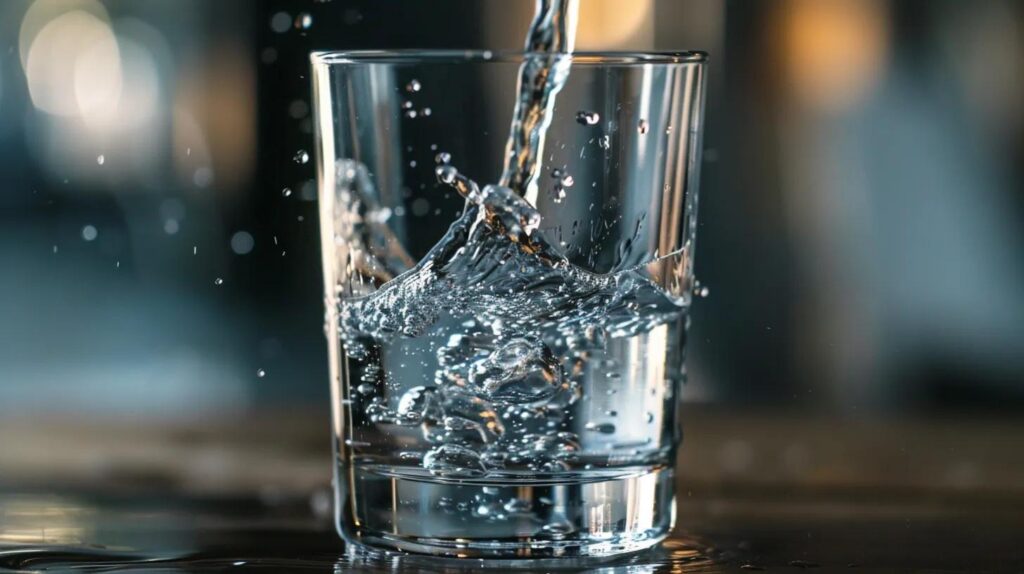
Glass of water being pored.
Water
This is a good starting point to connect back to my AI comment earlier. Sure, AI uses a lot of water, but so do you. Between showers, dishes and laundry, we cycle through H2O like we’ll never run out. Here are easy ways to save water at home- and save money!
Starting with dishes, about 19,710 gallons are used on those alone– the faucet and dishwasher both making up half. People who don’t have a dishwasher (like myself) are using even more.
Well, if you have a dual sink or even a bucket, you can drop that number drastically. Use one side of the sink for dirty dishes only, and the other side (or the bucket) is going to be full of water for rinsing. Dip the dish in the water, add your soap and then rinse again on the water side.
Of course the water is gonna get dirty and soapy, use reusable dish clothes to wipe off the water when you’re done. Once it gets too gross to keep using, go ahead and use it as grey water for the ornamental plants in your neighborhood or garden (Please make a garden!)
Moving on to showers: this one is much more simple than the dishes solution. We use about 11,315 gallons of water in our showers and baths every year, and all of it just goes right down the drain.
All you need for this one is a small plastic tub to put at the bottom of your bathtub/shower- or if you can’t get that a bucket would also work (just slightly less waste reductive. Shower as you please- try not to take too long, that’s a good habit to be in anyways- and when you’re done go ahead and re-use that water for any part of your garden (as long as you use organic soaps), save it for your next car wash, or use it for your next load of laundry. Most people don’t know, but you can refill your own washing machine.
-
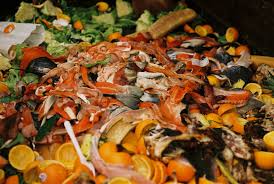
GI market food waste.
Food
I’m sure everyone’s been told to compost food scraps, and I’m going to tell you the same thing. Again, as much as I advise you to start a garden, I do understand that’s not plausible for everyone. Making a compost bin does have to be just for gardening though.
It’s said that 30 to 40 percent of the American food supply turns into waste. We have the most food waste in the world. Composting takes nothing but dirt and a bin, something everyone can access. Plus, it ends up saving you on trash bags and trash can fees (since you can downsize).
First of all, selling and giving out composted soil in the community is always an option, and so helpful to many gardeners, especially less able ones. It’s also a good idea to use it to plant things around your home. Any old containers, be it cans or empty candle frames, can be used as a pot. Buy or harvest a seed and boom, homemade decor.
But you can also use scraps for a lot of other things. From homemade bleach with lemon peels to calcium powder with eggshells for the gym rats, anything that came from the earth has a purpose. Always do research before just throwing it away.
-
Landfill full of plastic.
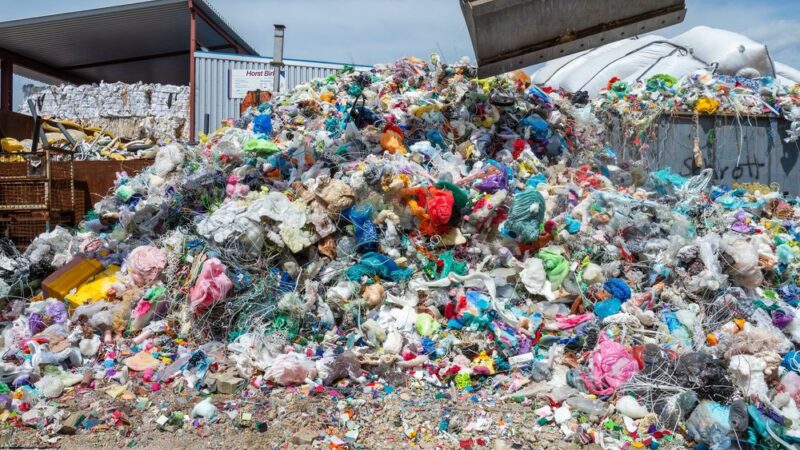
Plastic
Now here is the biggest issue: Plastic. It takes the equivalent of 19 million barrels of oil in petroleum for companies to produce water bottles a year, and despite what you’ve been taught, recycling isn’t nearly as effective as it seems.
Of course it’s better than just throwing it away, but after being reused and resold so much, nearly all plastic ends up in landfills and water anyways- hence why companies continue to make new plastic. Not to mention, microplastics infest everything and are horrid for our health.
My first tip is to hit up your local refill store. Most places have one, and it’s a store with eco-friendly, reusable containers of all kinds, and the straight product in bulk to refill it with.
Also making your own products. Mkoanna on Tik Tok has a series called “save money”, where she shows you how to make cleaning supplies, makeup and food from home using natural ingredients. You save your body from micro plastic, your bank from restocks and your environment from single use plastic.
When you inevitably have to use single-use plastic, make an eco brick. An eco-brick is a plastic water bottle stuffed with other plastics. It takes people months or even years to finally fill it all the way. There’s a multitude of purposes for them, but if you can’t find one, there’s also places you can donate them. Schools and GoBrick are pretty fool proof places to give them.
This is a quick summary, and no waste journeys are personal to everyone’s individual needs. But it’s not this expensive taboo thing we often see it as. It solves money, bodies and our planet. Do some research and see for yourself.