




























































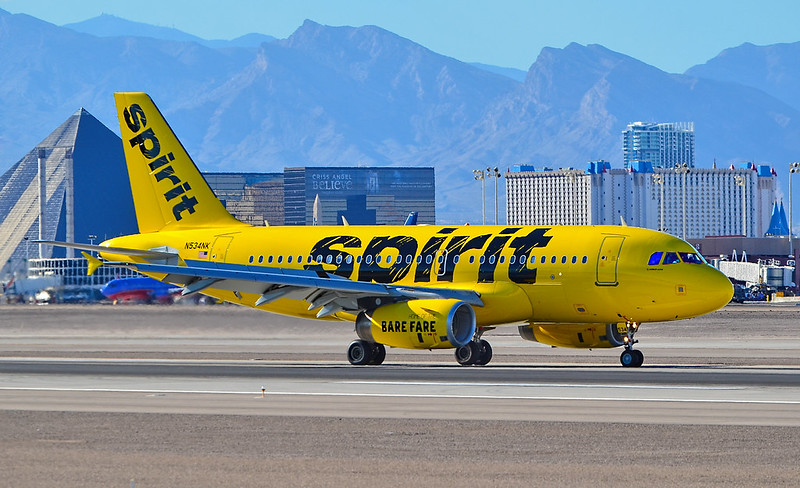
At 3 A.M. Eastern time on May 2, 2026, Spirit Airlines officially shut down all operations after 34 years of serving passengers, citing rising oil prices as one of the contributing factors to its collapse. The sudden announcement left passengers and workers stranded and confused in various airports across the country as customer service and flights were canceled without notice. Over 17,000 people were employed by Spirit and are now left without jobs. Known for their “Bare Fare” and one of leading Ultra Low Cost Carriers, the shut down of Spirit will affect the rest of the airline industry and travelers.
Before the shutdown of Spirit, there was hope that the airline could be saved after President Donald Trump mentioned the possibility of a $500 million bailout, which ultimately did not happen. This was not the first time the airline had run into financial difficulties as the company previously filed for bankruptcy twice in the last two years and ran $8.1 billion in debt by the time it shut down. Other attempts in the past have been unsuccessful in saving the company as seen with two failed mergers with Frontier and JetBlue in recent years.
“We just kind of ran out of runway,” CEO Dave Davis said in an interview with NBC.
Oil prices in particular, which in recent economic difficulty, have skyrocketed due to the ongoing war in Iran, have greatly impacted the entire airline industry with airlines having to raise ticket prices to compensate for increased costs of fuel. In Spirit’s case, recent financial instability paired with a sudden spike in oil costs became too much for the airline to continue operations.
“The sudden and sustained rise in fuel prices in recent weeks ultimately has left us with no alternative but to pursue an orderly wind-down of the company,” Davis said in a company statement.
One of the effects of the airline’s collapse is airline ticket prices as other low cost carriers and former competitors of Spirit can raise prices now that their main competition is gone, possibly making air travel more unaffordable. Airlines are also picking up Spirit’s formal travel routes that have left gaps for travelers and their destinations.
“Any time you have a reduction in capacity and demand increases, airfares have nowhere to go but up. And that doesn’t count the fares that are already rising because of the spike in fuel prices,” CBS News travel editor Peter Greenberg said.
Despite the inexpensive ticket prices they were known for and the criticism that came with these cheaper flights, the airline had never suffered a fatal crash, making it one of the safer airlines to have graced the skies. As the airline industry continues to adjust in the wake of Spirit’s ceasing operations, the airline will be remembered for its iconic, bright yellow planes and a trailblazer for the ultralow cost model as its departure will continue to have a trickling effect.