



























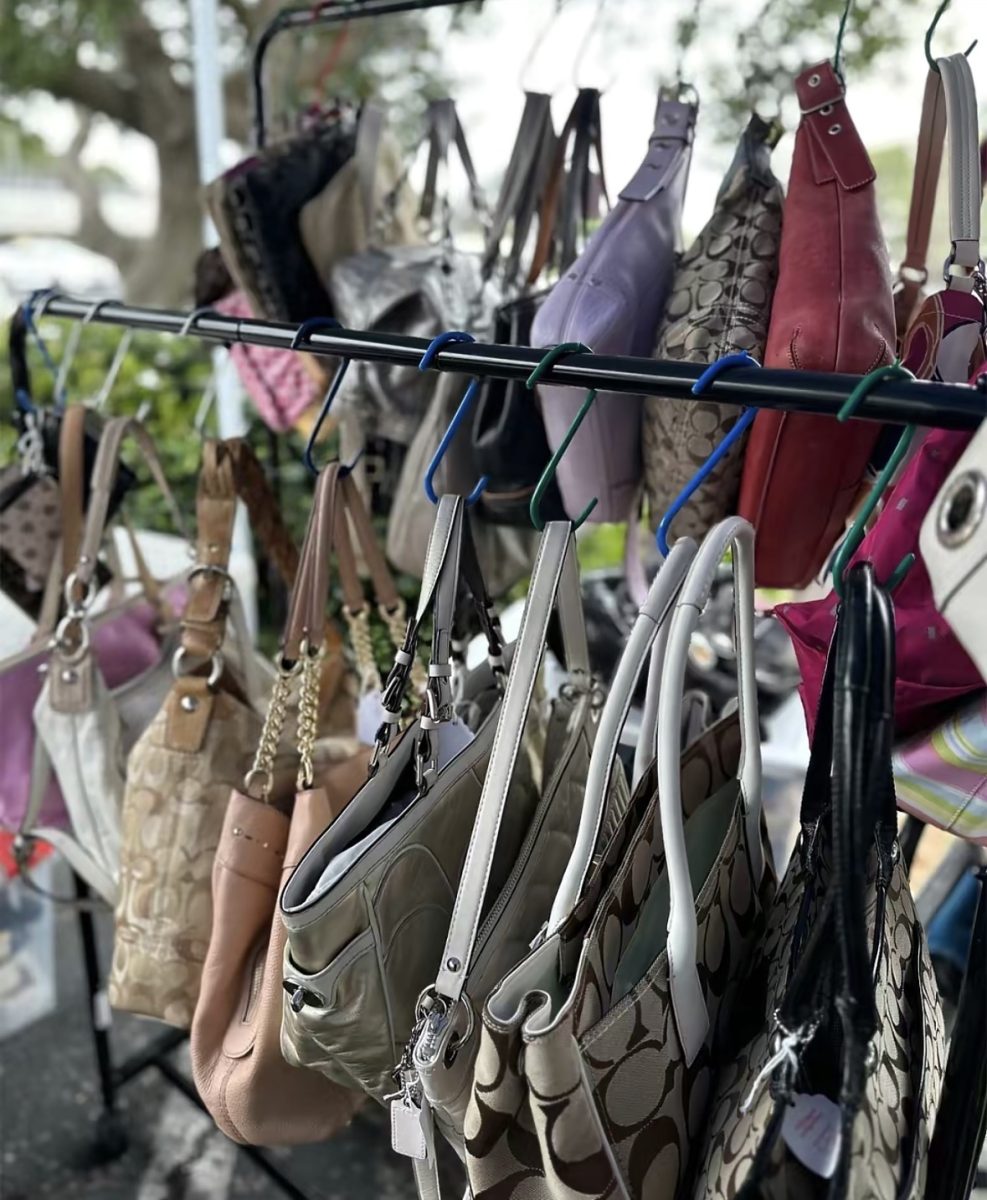









Whether in search of some unique clothing, a nice piece of furniture, or finding a good book to read, many individuals in the community have been relying on thrift stores such as Goodwill, Salvation Army, Avenue Thrift and Coalition as a cheaper alternative to buying new. It provides an opportunity for buyers to re-use perfectly good items while saving some money.
But despite these supposed benefits, many corporations have resorted to increasing their prices significantly and several individuals have been negatively affected, which is why I believe thrift stores are becoming unreasonably priced.
The main purpose of these stores was to provide a cheaper alternative for people that cannot afford brand new items and even to find unique things that you normally wouldn’t see elsewhere. Regardless of this goal, the price increase leaves many customers stranded with steep prices that are out of reach for many budgets.
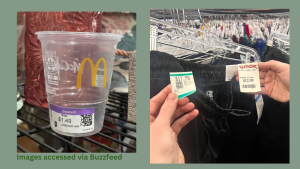
“Second-hand stores are more expensive now, sometimes [more] than Ross or Marshalls for example. [Thrift stores] used to be for needy people, but now higher income people choose to shop there because of [inflation] everywhere,” said a local thrift shopper who wished to remain anonymous (translated by author).
It would have been understandable to raise the prices to match inflation; however, the majority of inventory is free anyways which removes a large factor for their expenditures. The items that second hand stores receive are donations, so there is no excuse for covering the cost of supplying the items. Donation drop-off locations are often seen filled to the brim with items, especially at the more well known locations such as Goodwill and the Avenue Thrift.
The San Francisco Examiner found found that Goodwill surpassed 7 billion in revenue in 2025, with a seven percent increase from the previous year. Understandably so, shoppers are frequently seeking low prices and rare finds.
However, as the popularity of finding and buying vintage items, pre-loved luxury items and saving clothing from landfills has increased, countless thrift stores followed suit by increasing their prices to match the demand for the products.
According to Capital One Shopping Research, the U.S. thrift and resale market is estimated to be worth 61 billion dollars by the year 2026. That’s a major opportunity for chain thrift stores to capitalize on growing trends.
The reality for many is that going to the thrift store isn’t merely a trend, but a substitute to high retail prices. But with the increasing demand for secondhand items, the difference between expenditures of buying new versus used has become increasingly indistinguishable. This shouldn’t be a problem, as large chain thrift stores are becoming greedier, especially when you end up buying low quality or used items for even more than the original price.