












































The Earth is constantly changing, as it has been since its very creation. Ice wraps around it, then melts, meteors strike, volcanoes birth new islands and tectonic plates break apart whole continents. Change is nothing new, but the rate in which it happens has become unnaturally faster.
Climate change is a hot topic (literally) that is melting ice landscapes and causing extinction. On a more local level, Ventura’s flowers are blooming much earlier than expected. In fact, it’s all happening several weeks earlier than the anticipated Equinox, the scientifically set time in which the sun’s rays most directly hit the equator, causing changes to happen with plants and animals. You may be more familiar with the term “Spring.”
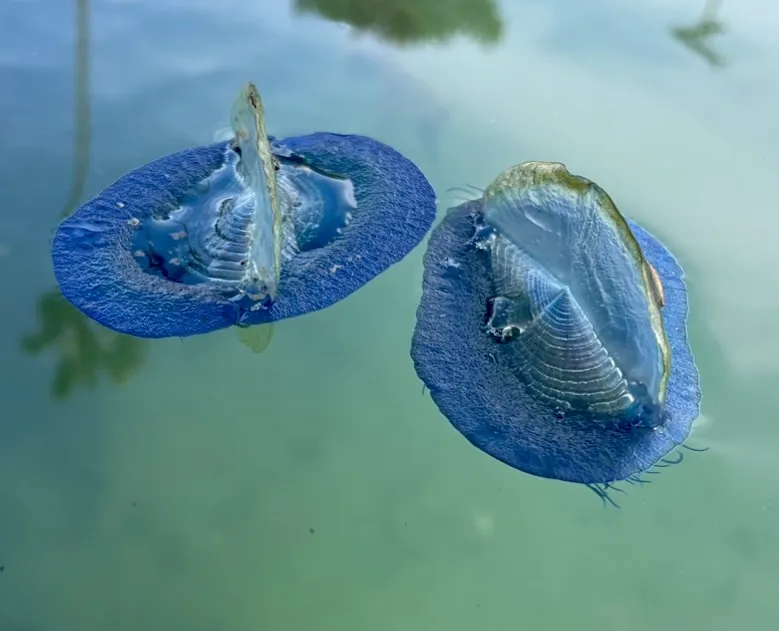
However, these types of reactions from nature have been popping up in early February, with warmer temperatures, blooming flowers and bugs shifting their usual schedule to accommodate the plants. This has many reactionary events such as the shift in seasons and the timing of Earth’s natural rhythms.
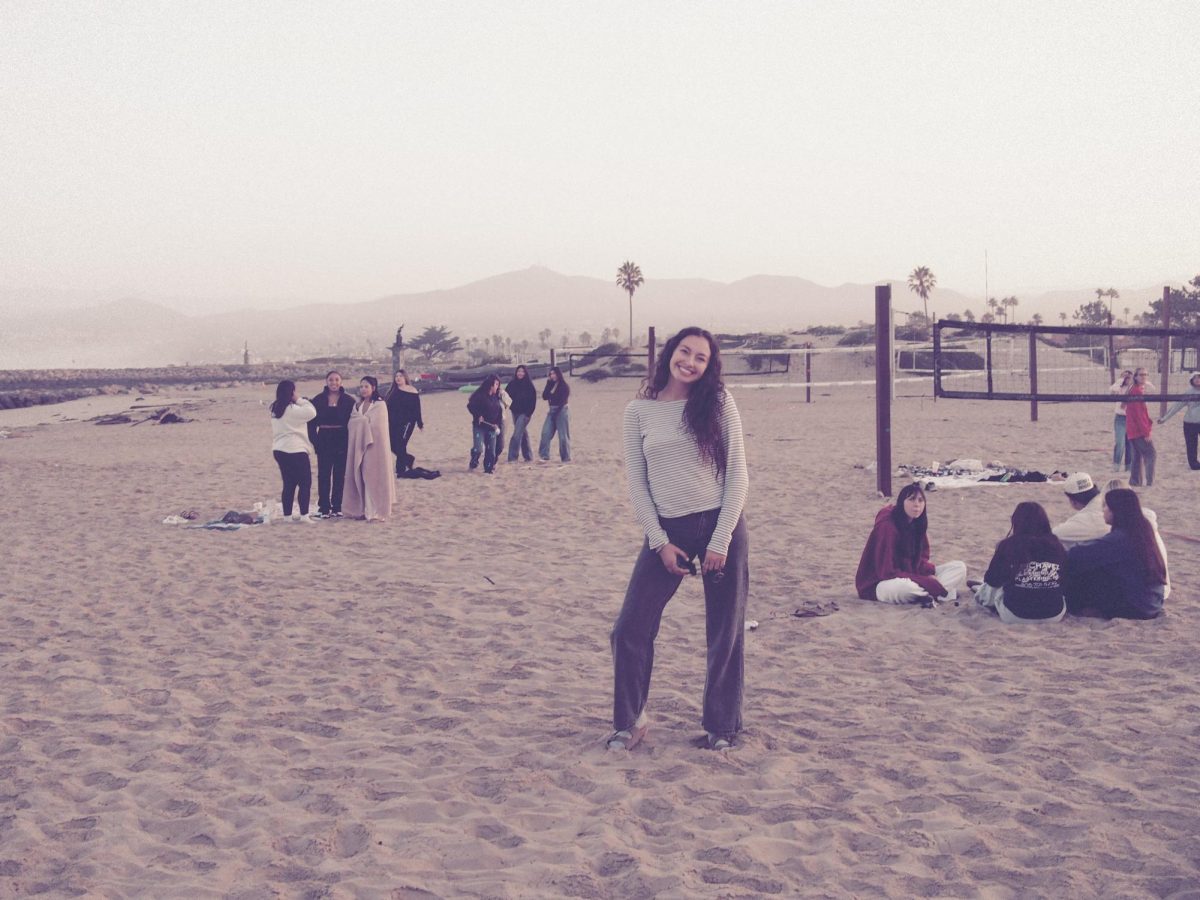
Along our California coast, rising sea levels continue to erode beaches. Sea cliffs collapse, sand is pulled away from beaches and infrastructure must be reconstructed further inland. This is an increasingly relevant climate crisis in Ventura, as learned about in Buena’s marine biology class, with students such as junior Shane Printy.
“With climate change, I have learned that with the rising sea levels, the higher tides are destroying our coasts and the buildings that were built there,” Printy said. “With the coastlines eroding it’s destroying valuable habitats on the beach.”
However, Ventura is one of the coastal cities that is leading the state in combating climate change’s unnatural effects, such as sand replenishment. Dredging is a common strategy used locally to replenish lost sand on beaches by pulling from offshore sand with a vacuuming device. This maintains the beach’s size and quality as storms drag sand back out to sea. Most beaches in Ventura County can also be seen covered in sand dunes with plants like marram grass (also known as beach grass), that keeps sand stabilized despite wind, waves and high tides.
Ventura County’s Climate Action Plan (CAP) is also working to reduce carbon emissions, actively putting effort to drop 1,500,278 metric tons by 2050. The top culprits to tackle were identified as transportation, solid waste, building energy and stationary sourcing, such as oil drilling. Newly constructed housing is expected to incorporate renewable energy sources, such as solar panels.
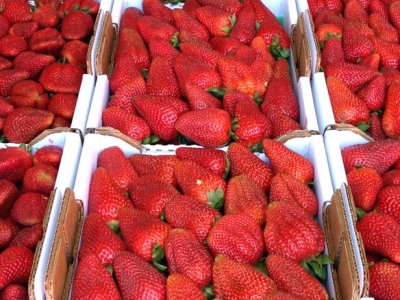
Agriculturally, Ventura farmers have been encouraged to stop the burning of crops and to reduce use of harmful chemicals to work more eco-friendly. Funds are also being raised to resolve problems with coastal properties being affected by coastal erosion.
Although the climate crisis may seem out of your hands, it is in your skies, soil and oceans that you can make a difference in your community that counts towards cleaning up the whole Earth. Ventura County is not alone in the movement to advocate for environmental conservation, and every action towards renewable energy and protection of natural ecosystems contributes to bettering everyone’s quality of life.